
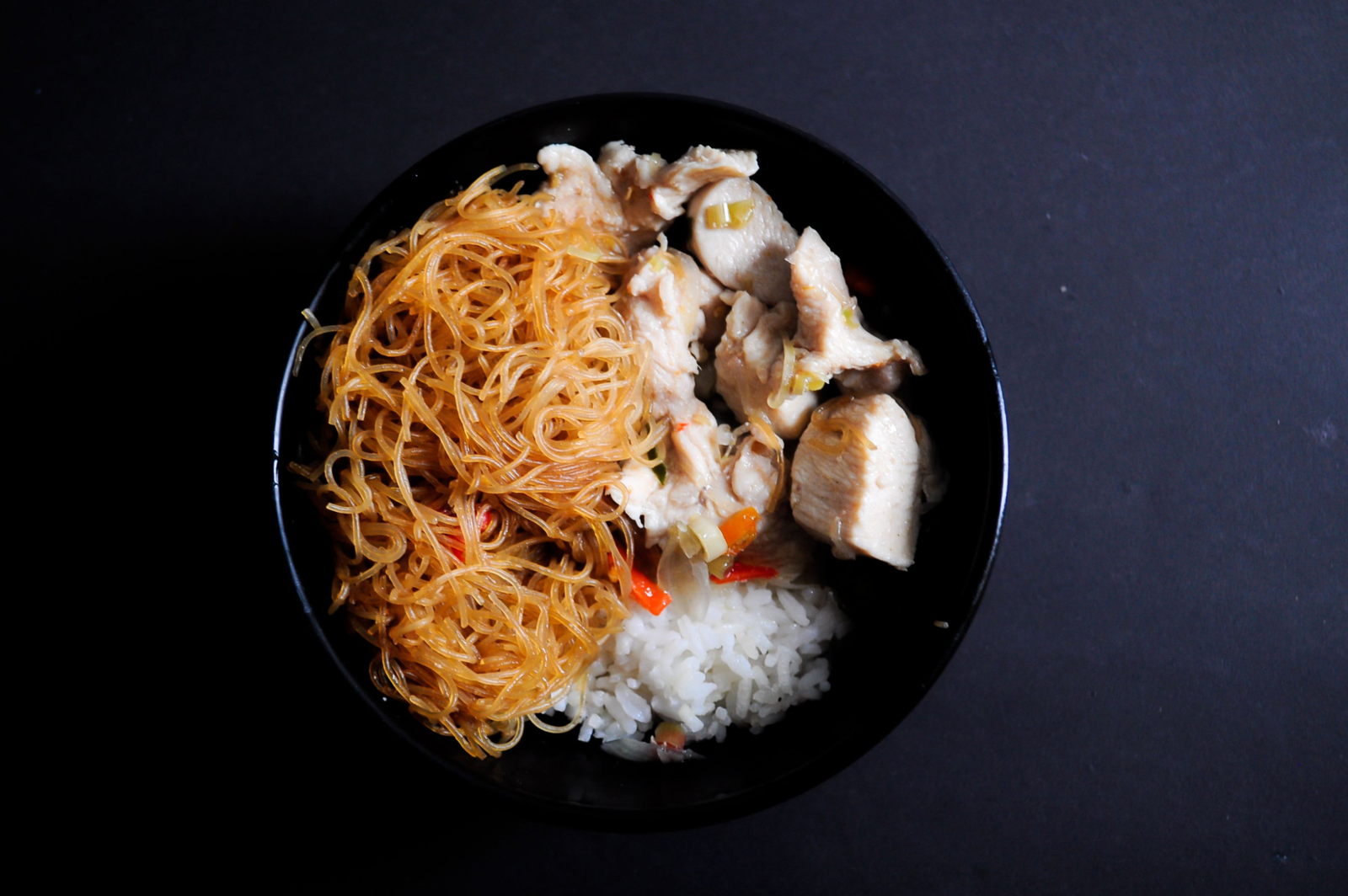
We all have those nights – you’re tired, hungry, and the last thing you want to do is spend an hour in the kitchen. That’s when chicken stir fry swoops in to save the day. It’s fast, fresh, flavorful, and comes together in about the time it takes to cook a pot of rice. This is the ultimate weeknight dinner hero.
I discovered the magic of stir‑fry during my college years when time and money were both tight. I needed something that was quick, used whatever vegetables were in the fridge, and tasted like actual food – not takeout leftovers. What I learned was that with a hot pan, a few simple ingredients, and a good sauce, you can turn humble chicken and vegetables into something truly delicious.
This recipe is my go‑to for busy evenings. The chicken stays tender and juicy, the vegetables retain their vibrant crunch, and the savory garlic‑ginger sauce ties everything together beautifully. It’s endlessly adaptable – use whatever vegetables you have on hand, adjust the heat to your liking, and serve it over rice, noodles, or even cauliflower rice. In just 15 minutes, you’ll have a dinner that tastes like it took much longer.
What Is Chicken Stir Fry?
Chicken stir fry is a quick‑cooking dish where bite‑sized pieces of chicken and vegetables are cooked in a hot wok or skillet with a flavorful sauce. The high heat and constant stirring (hence “stir‑fry”) create a dish with tender, juicy chicken and crisp‑tender vegetables, all coated in a glossy, savory sauce. It’s a versatile, one‑pan meal that’s beloved in Asian cuisine and has become a weeknight staple around the world.
Why It’s a Weeknight Superstar
Stir‑fry is loved for its speed, versatility, and fresh flavors. It cooks in minutes, uses whatever vegetables you have on hand, and can be customized to any taste preference. It’s also a great way to pack in plenty of vegetables and lean protein in one delicious meal.
Flavor & Texture Profile
- Flavor: Savory, umami‑rich with a perfect balance of salty, sweet, and tangy notes from soy sauce, ginger, and garlic.
- Texture: Tender, juicy chicken with crisp‑tender vegetables that still have a satisfying bite.
- Aroma: The irresistible scent of garlic, ginger, and sesame oil sizzling in a hot pan.
Why People Love It
It’s fast, healthy, and incredibly versatile. You can use almost any protein and any vegetable, making it perfect for cleaning out the fridge. It’s also a complete meal in one pan – minimal cleanup and maximum flavor. Plus, it’s far more affordable and healthier than takeout.
Why You’ll Love This Recipe
- Lightning Fast: Ready in just 15 minutes – perfect for hectic weeknights.
- One‑Pan Wonder: Everything cooks in a single skillet or wok – easy cooking, easy cleanup.
- Healthy & Nutritious: Packed with lean protein and vibrant vegetables.
- Endlessly Versatile: Use any vegetables you have on hand – broccoli, bell peppers, snap peas, carrots, mushrooms, and more.
- Better Than Takeout: Fresh, flavorful, and made with real ingredients – no MSG or mystery additives.
- Customizable: Adjust the sauce to your taste – sweeter, saltier, spicier, or milder.
- Budget‑Friendly: Uses affordable ingredients and is a great way to use up leftover vegetables.
Ingredients
For the Chicken
- Boneless, skinless chicken breasts or thighs – 1 lb (cut into thin strips or bite‑sized pieces)
- Soy sauce – 1 tablespoon (for marinating)
- Cornstarch – 1 teaspoon (for tenderizing and browning)
- Sesame oil – 1 teaspoon (optional, for flavor)
- Salt and pepper – to taste
For the Stir Fry Sauce
- Soy sauce – ¼ cup (low‑sodium preferred)
- Chicken broth or water – ¼ cup
- Honey or brown sugar – 1 tablespoon (adds sweetness)
- Rice vinegar or apple cider vinegar – 1 tablespoon (adds tanginess)
- Garlic – 3 cloves (minced)
- Fresh ginger – 1 tablespoon (grated or minced)
- Cornstarch – 1 teaspoon (dissolved in 1 tablespoon water, for thickening)
- Red pepper flakes – ½ teaspoon (optional, for heat)
- Sesame oil – 1 teaspoon (for finishing)
For the Vegetables (choose about 4 cups total)
- Broccoli florets – 1 cup
- Bell peppers – 1 (sliced)
- Carrots – 1 (julienned or thinly sliced)
- Snap peas or snow peas – 1 cup
- Onion – ½ (sliced)
- Mushrooms – 1 cup (sliced)
For Cooking
- Vegetable or avocado oil – 2 tablespoons (high smoke point oil)
- Sesame seeds and green onions – for garnish
Premium Ingredient Options
- Chicken: Boneless, skinless thighs are more flavorful and forgiving than breasts.
- Soy Sauce: Use tamari or coconut aminos for a gluten‑free option.
- Ginger: Fresh ginger is essential – it provides a bright, zesty flavor that dried can’t match.
Budget Alternatives
- Use chicken thighs instead of breasts – they’re often cheaper and more flavorful.
- Use whatever vegetables are on sale or in your fridge – stir fry is incredibly forgiving.
- Skip the rice vinegar and use a squeeze of lemon or lime instead.
Common Ingredient Mistakes
- Using cold chicken: Cold chicken releases moisture and won’t sear properly – bring it to room temperature before cooking.
- Overcrowding the pan: This lowers the temperature and steams the ingredients instead of stir‑frying them.
- Adding sauce too early: Vegetables and chicken need high heat to sear first – the sauce goes in at the end.
Ingredient Substitutions
- Gluten‑Free: Use tamari or coconut aminos instead of soy sauce; use cornstarch (already GF).
- Dairy‑Free: This recipe is naturally dairy‑free.
- Vegan / Vegetarian: Substitute chicken with extra‑firm tofu, tempeh, or seitan; use vegetable broth instead of chicken broth.
- Keto / Low‑Carb: Use a sugar‑free sweetener instead of honey; serve over cauliflower rice.
- Low‑Sodium: Use low‑sodium soy sauce and reduce added salt.
Equipment
Essential Tools
- Large wok or skillet (12‑inch or larger)
- Chef’s knife and cutting board
- Measuring cups and spoons
- Wooden spoon or spatula
- Small bowl (for mixing sauce)
Optional Tools
- Meat thermometer (for checking chicken doneness)
- Garlic press (for quick mincing)
- Tongs (for turning ingredients)
Step‑by‑Step Instructions
- Step 1: Prep the Chicken
Cut the chicken into thin strips or bite‑sized pieces (about 1‑inch chunks). In a small bowl, combine the chicken with 1 tablespoon soy sauce, 1 teaspoon cornstarch, and sesame oil (if using). Season with salt and pepper. Mix well and let it marinate for 5‑10 minutes while you prep the vegetables.
Why this matters: The cornstarch helps tenderize the chicken and gives it a nice light coating for browning.
Visual cue: The chicken should be evenly coated in the marinade. - Step 2: Prep the Vegetables
Wash and chop all your vegetables into uniform, bite‑sized pieces. This ensures even cooking. Keep them separate or grouped by cooking time – harder vegetables like carrots need a little more time, while softer ones like snap peas cook quickly.
Pro tip: Having everything prepped and ready before you start cooking is key to a successful stir‑fry. - Step 3: Make the Sauce
In a small bowl, whisk together the soy sauce, chicken broth, honey (or brown sugar), rice vinegar, minced garlic, grated ginger, and red pepper flakes (if using). In a separate small bowl, dissolve the cornstarch in 1 tablespoon of water to make a slurry. Set both aside.
Pro tip: Having the sauce pre‑mixed saves time during the fast‑paced cooking process. - Step 4: Sear the Chicken
Heat 1 tablespoon of oil in a large wok or skillet over high heat. Once the oil is shimmering and hot, add the chicken in a single layer (cook in batches if necessary). Cook for 3‑4 minutes, stirring occasionally, until the chicken is golden brown and cooked through (internal temperature reaches 165°F). Remove the chicken from the pan and set aside.
Visual cue: The chicken should have a nice golden‑brown sear on the outside.
Common mistake: Overcrowding the pan – this lowers the temperature and steams the chicken instead of searing it. - Step 5: Stir‑Fry the Vegetables
Add the remaining 1 tablespoon of oil to the pan. Add the harder vegetables first (like carrots and broccoli) and stir‑fry for 2‑3 minutes until they start to soften. Then add the softer vegetables (like bell peppers, snap peas, and mushrooms) and cook for another 2‑3 minutes until crisp‑tender but still vibrant.
Texture cue: The vegetables should be bright in color and still have a slight crunch.
Visual cue: They’ll start to look glossy and slightly charred around the edges. - Step 6: Combine and Sauce
Return the cooked chicken to the pan with the vegetables. Give the sauce a quick stir (the cornstarch may have settled) and pour it over the chicken and vegetables. Stir‑fry for 1‑2 minutes until the sauce thickens and coats everything evenly. The cornstarch slurry will make the sauce glossy and sticky.
Visual cue: The sauce should become thick, glossy, and coat the back of a spoon.
Pro tip: If the sauce is too thick, add a splash more broth or water. - Step 7: Finish and Serve
Remove from heat. Stir in the sesame oil (if using) for extra aroma. Garnish with sesame seeds and chopped green onions. Serve immediately over steamed rice, noodles, or cauliflower rice.
Visual cue: A sprinkle of green onions and sesame seeds adds color and a professional finish.
Expert Chef Tips
Restaurant Techniques for Home Cooks
- The “Wok Hei” Effect: High heat and constant stirring create that distinctive smoky flavor – don’t be afraid to crank up the heat.
- Prep Everything First: Stir‑fry moves fast – have all your ingredients prepped and within arm’s reach before you start cooking.
- Season in Layers: Season the chicken, the vegetables, and the sauce separately for the most flavorful result.
- Don’t Overcook the Vegetables: They should be crisp‑tender and vibrant – they’ll continue cooking slightly after you remove them from the heat.
- Finish with a Drizzle of Sesame Oil: A little splash at the end adds incredible aroma and flavor.
Flavor Balancing
- Salty: Soy sauce provides the savory base – adjust to taste.
- Sweet: Honey or brown sugar balances the saltiness and adds depth.
- Tangy: Rice vinegar brightens the dish and cuts through the richness.
- Umami: Garlic, ginger, and chicken broth add savory complexity.
- Heat: Red pepper flakes add warmth – adjust to your preference.
Texture Improvement Tips
- Use a Hot Pan: High heat is essential for proper searing and that signature smoky flavor.
- Cut Ingredients Uniformly: Evenly sized pieces ensure everything cooks at the same rate.
- Don’t Overcook: Vegetables should still have a slight crunch – they’ll soften as they sit.
- Add Sauce at the End: This prevents the vegetables from becoming soggy and ensures a glossy finish.
Cooking Science
The high heat of stir‑frying creates the Maillard reaction on the chicken, developing complex, savory flavors. The cornstarch in the marinade creates a protective barrier that keeps the chicken moist while also helping it brown. When the sauce hits the hot pan, the cornstarch thickens almost instantly, creating a glossy coating that clings to the ingredients. The combination of soy sauce (umami), honey (sweetness), and vinegar (acidity) creates a perfect flavor balance that’s both satisfying and addictive.
Troubleshooting
- Chicken is dry – You likely overcooked it. Use a thermometer and remove at 165°F. Thighs are more forgiving than breasts.
- Vegetables are soggy – You overcooked them or used too low heat. Cook quickly over high heat for crisp‑tender results.
- Sauce is too thin – Add a little more cornstarch slurry and simmer for 1‑2 more minutes until thickened.
- Sauce is too thick – Add a splash of chicken broth or water to thin it to your desired consistency.
- Sauce is too salty – Add a bit more honey or a squeeze of lemon to balance the saltiness.
- Chicken isn’t browned – Make sure the pan is very hot before adding the chicken; don’t overcrowd; pat the chicken dry before marinating.
- Ingredients are steaming instead of frying – The pan wasn’t hot enough, or you overcrowded it. Cook in batches and use high heat.
Recipe Variations
Classic Chicken Stir Fry
Follow the recipe as written with broccoli, bell peppers, snap peas, and carrots – it’s the perfect balance of flavor, color, and texture.
Spicy Szechuan Style
Add 1 tablespoon of Szechuan peppercorns and increase the red pepper flakes to 1 teaspoon for a numbing, spicy kick.
Honey Garlic Chicken Stir Fry
Double the honey and add an extra clove of garlic for a sweeter, more garlicky version.
Ginger Scallion Chicken
Replace the garlic with extra ginger and add a handful of scallions (green onions) at the end for a fresh, zesty flavor.
Vegetable & Tofu Stir Fry
Replace chicken with extra‑firm tofu (pressed and cubed) and use vegetable broth instead of chicken broth.
Teriyaki Chicken Stir Fry
Add 2 tablespoons of mirin (sweet rice wine) to the sauce and reduce the soy sauce slightly for a sweeter, more authentic teriyaki flavor.
Low‑Carb / Keto Stir Fry
Serve over cauliflower rice or zucchini noodles and use a sugar‑free sweetener instead of honey.
Serving Suggestions
Classic Sides
Steamed white or brown rice, jasmine rice, fried rice, or lo mein noodles. Cauliflower rice for a low‑carb option.
Drinks
Iced green tea, a crisp lager, or a light white wine like Pinot Grigio. For a non‑alcoholic option, try a sparkling water with lime or a cold jasmine tea.
Garnishes
Chopped green onions, toasted sesame seeds, fresh cilantro, or a drizzle of extra sesame oil.
Presentation Ideas
Serve in a large shallow bowl or plate over a bed of rice. Arrange the chicken and vegetables beautifully and garnish generously with green onions and sesame seeds for a vibrant, restaurant‑style presentation.
Storage & Reheating
Refrigeration
Store leftovers in an airtight container in the refrigerator for up to 3‑4 days.
Freezing
This stir fry freezes reasonably well for up to 2‑3 months. Thaw overnight in the refrigerator before reheating.
Reheating Methods (Best to Worst)
- Stovetop (Best): Reheat in a hot skillet or wok over high heat, adding a splash of water or broth to refresh the sauce.
- Microwave: Heat in 60‑second intervals, stirring between each, until hot.
- Oven: Cover and bake at 325°F for 10‑15 minutes.
Texture Preservation Tips
When reheating, high heat is better than low heat – it helps re‑crisp the vegetables and chicken. Add a splash of broth or water to revive the sauce.
FAQ
How do you make chicken stir fry tender?
To keep chicken tender, marinate it in a mixture of soy sauce and cornstarch for 10‑15 minutes. This creates a protective coating that locks in moisture. Also, avoid overcooking – remove the chicken from the pan as soon as it’s cooked through.
What is the best oil for stir fry?
Use oils with a high smoke point – avocado oil, vegetable oil, canola oil, or peanut oil. They can withstand the high heat needed for stir‑frying without burning.
Can I use frozen vegetables for stir fry?
Yes, but they’ll release more moisture, which can make the stir fry watery. To avoid this, thaw and pat them dry before cooking, or cook them straight from frozen on high heat to evaporate excess moisture quickly.
How do I make stir fry sauce thicker?
Use a cornstarch slurry (1 teaspoon cornstarch mixed with 1 tablespoon cold water) and stir it into the sauce while simmering – it will thicken within 1‑2 minutes.
Can I make this stir fry vegetarian?
Absolutely – replace the chicken with extra‑firm tofu, tempeh, or seitan, and use vegetable broth instead of chicken broth.
How do I get that smoky “wok hei” flavor at home?
Use a very hot pan or wok, and don’t overcrowd it. Cook in batches if necessary. A cast‑iron skillet can also help achieve that smoky, charred flavor.
What vegetables work best for stir fry?
Broccoli, bell peppers, snap peas, snow peas, carrots, mushrooms, bok choy, cabbage, and green beans are all excellent choices. The key is to cut them uniformly so they cook evenly.
Can I use chicken thighs instead of breasts?
Yes – boneless, skinless thighs are even more flavorful and stay juicier than breasts. Cook them for slightly longer if needed.
Is stir fry healthy?
Yes – it’s a great source of lean protein and vegetables. The sauce typically contains sodium and sugar, so using low‑sodium soy sauce and adjusting the sweetener can make it even healthier.
Why is my stir fry watery?
This usually happens when vegetables release too much moisture, especially if they weren’t patted dry or if the pan wasn’t hot enough. Use high heat and avoid overcrowding.
Can I add noodles to this stir fry?
Yes – cook your noodles separately, then add them to the pan at the end and toss with the sauce for a one‑dish meal.
How do I store leftover stir fry?
Store in an airtight container in the refrigerator for up to 3‑4 days. Reheat on the stovetop or in the microwave.
Can I freeze chicken stir fry?
Yes, it freezes well for up to 2‑3 months. Thaw overnight in the refrigerator before reheating.
What’s the best way to cut chicken for stir fry?
Slice the chicken thinly against the grain into bite‑sized strips. This ensures tender pieces and even cooking. Partially freezing the chicken for 20‑30 minutes makes it easier to slice thinly.
How can I make this stir fry spicier?
Add extra red pepper flakes, fresh chili slices, or a drizzle of sriracha to the sauce. You can also add Szechuan peppercorns for a numbing heat.
Nutrition (estimated per serving – about 1½ cups with chicken and vegetables)
- Calories: 320‑420
- Protein: 28‑35g
- Carbohydrates: 15‑22g
- Fat: 14‑20g
- Fiber: 4‑6g
- Sugar: 8‑12g
- Sodium: 700‑1,000mg
Note: Nutrition values are estimates and may vary based on specific ingredients, portion sizes, and cooking methods.
Recipe Card
| Chicken Stir Fry – Quick 15-Minute Dinner Recipe | |
| Cuisine | Asian‑Inspired |
| Course | Main Course |
| Prep Time | 10 minutes |
| Cook Time | 10‑12 minutes |
| Total Time | 20‑22 minutes |
| Servings | 4 |
| Calories | 320‑420 per serving |
Ingredients
For the Chicken:
- 1 lb boneless, skinless chicken breasts or thighs (cut into thin strips)
- 1 tablespoon soy sauce
- 1 teaspoon cornstarch
- 1 teaspoon sesame oil (optional)
- Salt and pepper to taste
For the Sauce:
- ¼ cup low‑sodium soy sauce
- ¼ cup chicken broth or water
- 1 tablespoon honey or brown sugar
- 1 tablespoon rice vinegar
- 3 cloves garlic (minced)
- 1 tablespoon fresh ginger (grated)
- 1 teaspoon cornstarch (mixed with 1 tablespoon water)
- ½ teaspoon red pepper flakes (optional)
- 1 teaspoon sesame oil (for finishing)
For the Vegetables:
- 1 cup broccoli florets
- 1 bell pepper (sliced)
- 1 carrot (julienned)
- 1 cup snap peas or snow peas
- ½ onion (sliced)
- 1 cup mushrooms (sliced)
For Cooking:
- 2 tablespoons vegetable or avocado oil
- Green onions and sesame seeds for garnish
Instructions
- Marinate chicken: Combine chicken with soy sauce, cornstarch, sesame oil, salt, and pepper. Set aside for 5‑10 minutes.
- Prep vegetables: Wash and chop all vegetables into uniform, bite‑sized pieces.
- Make sauce: Whisk together soy sauce, broth, honey, vinegar, garlic, ginger, and red pepper flakes. Prepare cornstarch slurry separately.
- Sear chicken: Heat 1 tablespoon oil in a wok or skillet over high heat. Cook chicken for 3‑4 minutes until golden and cooked through (165°F). Remove and set aside.
- Cook vegetables: Add remaining oil. Stir‑fry harder vegetables (carrots, broccoli) for 2‑3 minutes, then add softer vegetables and cook 2‑3 minutes until crisp‑tender.
- Combine: Return chicken to the pan. Stir sauce and pour over. Add cornstarch slurry and cook 1‑2 minutes until thickened and glossy.
- Finish: Stir in sesame oil. Garnish with green onions and sesame seeds. Serve immediately over rice or noodles.
Notes
- Prep all ingredients before you start cooking – stir‑fry moves fast.
- Don’t overcrowd the pan – cook in batches if necessary for the best sear.
- Use whatever vegetables you have on hand – stir fry is incredibly versatile.
- Adjust sauce sweetness, saltiness, or heat to your liking.
- Serve immediately for the best texture and flavor.
Nutrition (per serving)
Calories: 320‑420 | Protein: 28‑35g | Carbs: 15‑22g | Fat: 14‑20g | Fiber: 4‑6g | Sugar: 8‑12g | Sodium: 700‑1,000mg