
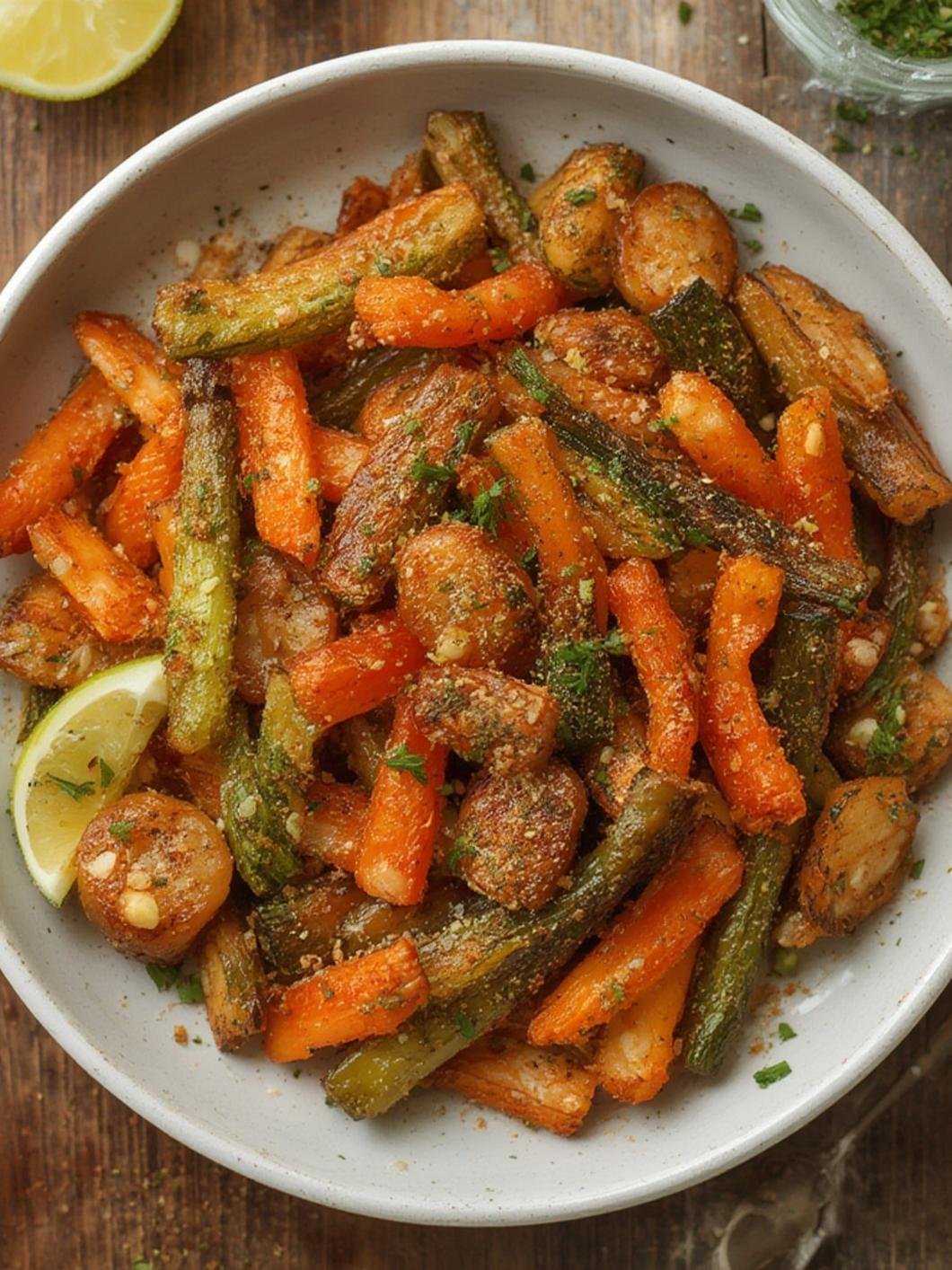
Air Fryer Vegetables Guide that it instantly transports you to a warm Southern kitchen? If not, you are seriously missing out — and this cast iron skillet cornbread recipe is about to change everything. The Cast Iron Skillet cornbread is one of the most beloved classic American recipes, celebrated for its rich buttery flavor, irresistible crust, and sheer simplicity. Whether you are a seasoned home cook or a complete beginner, making cornbread from scratch at home is not only incredibly satisfying but also far more delicious than anything from a box. It costs a fraction of restaurant prices, takes less than 30 minutes, and uses pantry staples you likely already have. The Cooking techniques involved are beginner-friendly yet produce bakery-quality results every single time.
Ingredients
Gathering the right ingredients is the first step toward cornbread perfection. Each component plays a specific role in achieving that signature golden crust and tender, moist crumb that makes this recipe so irresistible.
-
- 1 cup yellow cornmeal — The foundation of cornbread. Use stone-ground cornmeal for a more rustic texture and deeper corn flavor. White cornmeal works as a substitute.
-
- 1 cup all-purpose flour — Balances the cornmeal to create a lighter, fluffier texture. For a gluten-free version, substitute with a 1:1 gluten-free flour blend.
-
- 1 tablespoon baking powder — The leavening agent that gives the cornbread its rise and airy interior.
-
- 1/2 teaspoon baking soda — Works alongside baking powder for an extra lift, especially when using buttermilk.
-
- 1 teaspoon salt — Enhances all the flavors. Sea salt or kosher salt both work well.
-
- 2 tablespoons granulated sugar — Optional but recommended for a subtle sweetness. Omit for a more traditional savory Southern-style cornbread.
-
- 1 cup buttermilk — The secret to an incredibly moist crumb and a slight tangy flavor. No buttermilk? Mix 1 cup of whole milk with 1 tablespoon of white vinegar and let it sit for 5 minutes.
-
- 2 large eggs — Bind the batter and add structure. Room temperature eggs incorporate more evenly.
-
- 1/4 cup unsalted butter, melted — Adds richness and that irresistible buttery flavor. Use salted butter and reduce the added salt slightly if preferred.
-
- 2 tablespoons bacon grease or vegetable oil — Used to grease the skillet. Bacon grease adds an incredible smoky depth of flavor. Vegetable oil, coconut oil, or shortening are great alternatives.
Optional Add-Ins:
-
- 1/2 cup shredded cheddar cheese for a cheesy variation
-
- 1 jalapeño, finely diced, for a spicy kick
-
- 1/2 cup whole kernel corn for extra texture and sweetness
-
- 2 tablespoons honey drizzled on top before baking for a sweet, glazed finish
Preparation & Cooking Time
Before diving into the recipe, here is a quick overview of what to expect so you can plan accordingly:
| Preparation Time | 10 minutes |
| Cooking Time | 20–25 minutes |
| Total Time | 30–35 minutes |
| Servings | 8–10 slices |
| Difficulty Level | Easy — Perfect for beginners |
This recipe is wonderfully quick and ideal for weeknight dinners, weekend brunch gatherings, or holiday feasts. The most important thing to remember is that preheating your skillet inside the oven is a game-changer — it is what creates that legendary dark, crispy crust on the bottom that makes cast iron cornbread unlike anything you can achieve in a regular baking pan. Set aside about 35 minutes from start to finish, and you will have a show-stopping side dish ready to impress.
Step-by-Step Instructions
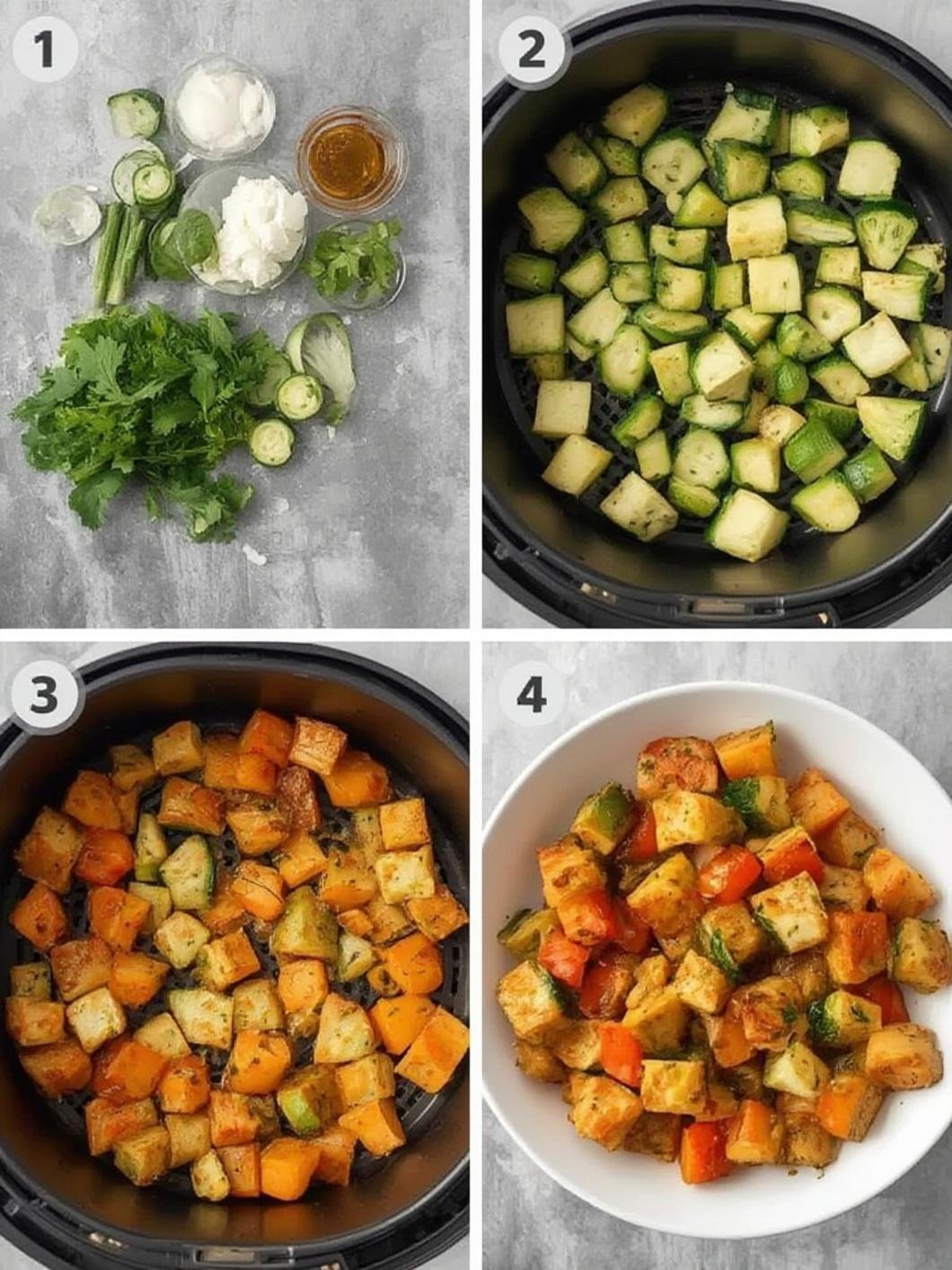
Follow these detailed steps carefully to produce the most perfect, golden-crusted cornbread you have ever tasted. Each step has been tested and refined to ensure consistent, delicious results every time.
Step 1: Preheat the Oven and the Skillet
Preheat your oven to 425°F (220°C). Place your 10-inch Cast Iron Skillet inside the oven while it preheats. This is the most critical step. A hot skillet creates immediate contact heat the moment the batter hits it, producing that iconic crispy, almost-fried bottom crust. Allow the skillet to heat for at least 10 minutes.
Step 2: Mix the Dry Ingredients
In a large mixing bowl, whisk together the cornmeal, all-purpose flour, baking powder, baking soda, salt, and sugar. Whisking rather than just stirring ensures the leavening agents are evenly distributed throughout the batter, which results in a more even rise and consistent texture. Set aside.
Step 3: Combine the Wet Ingredients
In a separate medium bowl, whisk together the buttermilk, eggs, and melted butter. Make sure the butter has cooled slightly before adding it to avoid accidentally cooking the eggs. The buttermilk adds a lovely tang while keeping the crumb tender and moist throughout.
Step 4: Combine Wet and Dry Ingredients
Pour the wet ingredients into the dry ingredients and stir gently with a wooden spoon or rubber spatula until just combined. This is extremely important — do not overmix. A few lumps in the batter are perfectly fine and actually desirable. Overmixing develops the gluten in the flour, leading to a tough and dense cornbread rather than a tender and fluffy one. Fold in any optional add-ins like cheese, jalapeño, or corn at this stage.
Step 5: Grease the Hot Skillet
Using oven mitts, carefully remove the preheated skillet from the oven. Add the bacon grease or vegetable oil to the hot pan and swirl it around to coat the bottom and sides completely. You will hear and see it sizzle — that is exactly what you want. The Cooking techniques used here mirror those of traditional Southern cast iron baking, where the fat goes directly into the hot pan just before the batter is poured in.
Step 6: Pour in the Batter
Immediately pour the batter into the hot greased skillet. The edges should begin to set almost immediately from the residual heat. This initial searing action is what creates the crispy, golden-brown crust. Gently smooth the top of the batter with a spatula if needed.
Step 7: Bake to Golden Perfection
Return the skillet to the oven and bake for 20 to 25 minutes, or until the top is golden brown and a toothpick or cake tester inserted into the center comes out clean. The edges should have pulled away slightly from the sides of the pan, and the top should have a beautiful even golden color. Avoid opening the oven door during the first 15 minutes to prevent the cornbread from sinking in the middle.
Step 8: Rest and Serve
Remove the skillet from the oven and allow the cornbread to rest in the pan for 5 minutes before slicing. This brief resting period allows the interior to firm up slightly, making it easier to slice cleanly. Serve directly from the skillet for a rustic, gorgeous presentation. Add a pat of butter and a drizzle of honey on top for an absolutely divine finishing touch.
Nutrition & Health Benefits
Understanding the nutritional profile of your cornbread helps you enjoy it mindfully and appreciate its place within a balanced diet. Below is an approximate nutritional breakdown per serving (1 slice, based on 10 servings):
| Calories | Approximately 195 kcal |
| Carbohydrates | 28g |
| Protein | 5g |
| Fat | 7g |
| Fiber | 1.5g |
| Sugar | 4g |
| Sodium | 310mg |
| Calcium | 12% DV |
| Iron | 8% DV |
Health Highlights:
-
- Whole grain goodness: Cornmeal is a whole grain that provides complex carbohydrates for sustained energy, along with dietary fiber that supports digestive health and helps maintain stable blood sugar levels.
-
- Rich in B vitamins: Cornmeal is naturally rich in niacin (Vitamin B3), which supports energy metabolism and healthy skin, as well as folate, which is essential for cell growth and repair.
-
- Good source of iron and phosphorus: These minerals support healthy blood cell production and strong bones respectively.
-
- Easily made gluten-free: By substituting all-purpose flour with a certified gluten-free blend, this recipe becomes suitable for those with gluten sensitivities or celiac disease without sacrificing flavor or texture.
-
- Vegetarian-friendly: This recipe is naturally vegetarian. Simply swap bacon grease for vegetable oil or plant-based butter to make it fully suitable for a vegetarian lifestyle.
-
- Calcium boost from buttermilk: Buttermilk adds a modest dose of calcium and probiotics, which can support bone health and gut health.
Tips, Variations & Serving Suggestions
Pro Tips for Perfect Cornbread Every Time:
-
- Always use room temperature buttermilk and eggs to ensure a smooth, evenly mixed batter.
-
- Do not skip preheating the skillet — this single step is what separates average cornbread from extraordinary cornbread.
-
- If you prefer a sweeter, cake-like Northern-style cornbread, increase the sugar to 1/4 cup and reduce the cornmeal to 3/4 cup.
-
- For an extra crispy crust, add an additional tablespoon of fat to the hot skillet before pouring in the batter.
Flavor Variations:
-
- Bacon and Cheddar Cornbread: Fold in 1/2 cup shredded sharp cheddar and 4 strips of crumbled cooked bacon for a savory, smoky masterpiece.
-
- Honey Jalapeño Cornbread: Add 2 tablespoons of honey to the batter and fold in 1 finely diced fresh jalapeño for a sweet-heat combination.
-
- Herb Cornbread: Stir in 2 tablespoons each of fresh rosemary and thyme for a sophisticated aromatic version perfect for holiday gatherings.
-
- Vegan Cornbread: Replace eggs with flax eggs (1 tablespoon ground flaxseed + 3 tablespoons water per egg), use plant-based milk with vinegar instead of buttermilk, and substitute butter with melted coconut oil.
Serving Suggestions:
-
- Serve warm alongside a hearty bowl of chili, beef stew, or slow-cooker pulled pork
-
- Pair with collard greens, black-eyed peas, or barbecue ribs for a complete Southern feast
-
- Serve with honey butter and fresh fruit for a delightful weekend brunch
-
- Use leftover cornbread to make a savory cornbread stuffing or crumble it over a bowl of soup as a rustic crouton substitute
Common Mistakes to Avoid

Even experienced bakers make these common cornbread mistakes. Being aware of them before you start will save you from disappointment and help you achieve consistently excellent results.
-
- Skipping the skillet preheat: This is the most common and most damaging mistake. Without a hot skillet, you lose the crispy crust that defines authentic cast iron cornbread. Always preheat for at least 10 minutes.
-
- Overmixing the batter: Stirring too vigorously or too long develops the gluten in the flour, resulting in a tough, dense texture. Mix only until the dry and wet ingredients are just combined — lumpy batter is your friend.
-
- Using cold ingredients: Cold buttermilk or cold eggs can cause the melted butter to solidify into clumps when mixed. Always bring your dairy and eggs to room temperature before starting.
-
- Opening the oven too early: Peeking inside the oven during the first 15 minutes of baking allows heat to escape and can cause the cornbread to deflate or bake unevenly. Be patient and trust the process.
-
- Using the wrong size skillet: A skillet that is too small will cause overflow and uneven baking. A skillet that is too large will spread the batter too thin, resulting in a flat, dry cornbread. A 10-inch skillet is ideal for this recipe.
-
- Not checking for doneness properly: Relying only on color is not enough. Always use a toothpick inserted into the center — it should come out clean with no wet batter attached. The top should be golden, not pale.
-
- Cutting it too soon: Cutting into the cornbread straight out of the oven will cause it to crumble and fall apart. Allow it to rest for at least 5 minutes so it can set properly.
Storage & Reheating Tips
Proper storage ensures your cornbread stays fresh, moist, and delicious for days after baking.
Refrigerator Storage:
Allow the cornbread to cool completely before storing. Wrap individual slices tightly in plastic wrap or place them in an airtight container. Store in the refrigerator for up to 5 days. Adding a small piece of bread to the container can help absorb excess moisture and keep the cornbread from becoming soggy.
Freezer Storage:
Cornbread freezes exceptionally well. Wrap cooled slices individually in plastic wrap and then place them in a freezer-safe zip-lock bag or airtight container. Freeze for up to 3 months. Label with the date for easy tracking.
Reheating Methods:
-
- Oven (Best Method): Wrap slices in foil and reheat at 350°F for 10–12 minutes. This restores the crispy edges while keeping the interior moist.
-
- Microwave (Quickest Method): Wrap a slice in a damp paper towel and microwave for 20–30 seconds. The damp towel creates steam and prevents the cornbread from drying out.
-
- Skillet Reheat: Melt a small pat of butter in a skillet over medium-low heat and place a slice cut-side down for 2–3 minutes until warmed through and re-crisped. This is the most indulgent reheating method.
-
- Air Fryer: Reheat at 300°F for 3–4 minutes for a quick revival of the crispy exterior without drying out the center.
Conclusion
This classic Cast Iron Skillet cornbread recipe truly delivers on every level — golden and crispy on the outside, tender and fluffy on the inside, rich with buttery corn flavor, and endlessly versatile. From a quick weeknight side dish to the star of a holiday table spread, this recipe fits every occasion effortlessly. The Cooking techniques used here are rooted in generations of Southern tradition, and once you try this method, you will never go back to a baking pan again. Now it is your turn — gather your ingredients, heat up that skillet, and experience the magic of homemade cornbread for yourself. We would love to hear about your results, so drop a comment below, share your photos on social media, and explore our other Southern comfort food recipes for more inspiration. Happy cooking!
FAQs
Q1: Can I make this cornbread without a cast iron skillet?
Yes, you can use an oven-safe stainless steel skillet, a 9-inch round cake pan, or a muffin tin instead. However, keep in mind that you will not achieve the same dark, crispy crust that a preheated cast iron skillet produces. The cast iron’s superior heat retention is what makes the texture so uniquely perfect.
Q2: Can I make the batter ahead of time?
It is best to bake cornbread batter immediately after mixing since the baking powder and baking soda begin reacting as soon as they contact the wet ingredients. If you need to prepare in advance, pre-measure and mix all dry ingredients in one bowl and all wet ingredients in another, then combine them just before pouring into the skillet and baking.
Q3: Why is my cornbread crumbly?
Crumbly cornbread is usually the result of too much cornmeal relative to flour, not enough binding agents like eggs, or overbaking. Make sure you are following the measurements precisely, using two eggs, and checking doneness at the 20-minute mark to avoid drying it out.
Q4: Can I make this recipe dairy-free?
Absolutely. Replace buttermilk with unsweetened almond milk or oat milk mixed with 1 tablespoon of apple cider vinegar. Substitute butter with melted coconut oil or a vegan butter alternative like Earth Balance. The result will be slightly less rich but still delicious.
Q5: How do I know when the cornbread is fully baked?
The cornbread is done when the top is uniformly golden brown, the edges have pulled slightly away from the sides of the skillet, and a toothpick inserted into the thickest center part comes out completely clean with no wet batter. The internal temperature should read approximately 190°F (88°C).
Q6: Can I add cheese or other mix-ins?
Yes, absolutely. Fold in up to 3/4 cup of your desired mix-ins — shredded cheddar, pepper jack cheese, diced jalapeños, frozen corn kernels, or crumbled cooked bacon — after you have combined the wet and dry ingredients. Be careful not to overmix when folding in add-ins.
Q7: Is this recipe suitable for high-altitude baking?
At high altitudes above 3,500 feet, reduce the baking powder to 2 teaspoons and increase the buttermilk by 2 tablespoons to compensate for the lower air pressure. You may also need to increase the oven temperature by 15–25°F and check for doneness slightly earlier than indicated.
Recipe Card
| Cast Iron Skillet Cornbread — Recipe Card | |
| Recipe Name | Classic Cast Iron Skillet Cornbread |
| Cuisine | American Southern |
| Category | Side Dish / Bread |
| Prep Time | 10 minutes |
| Cook Time | 20–25 minutes |
| Total Time | 30–35 minutes |
| Servings | 8–10 slices |
| Difficulty | Easy |
| Calories Per Serving | ~195 kcal |
| Key Ingredients | Yellow cornmeal, all-purpose flour, buttermilk, eggs, butter, baking powder |
| Equipment Needed | 10-inch cast iron skillet, mixing bowls, whisk, rubber spatula, oven mitts |
| Oven Temperature | 425°F (220°C) |
| Dietary Notes | Vegetarian; easily adaptable to gluten-free, dairy-free, or vegan |
| Storage | Refrigerator: up to 5 days | Freezer: up to 3 months |
| Best Served With | Chili, BBQ, stews, honey butter, collard greens |