
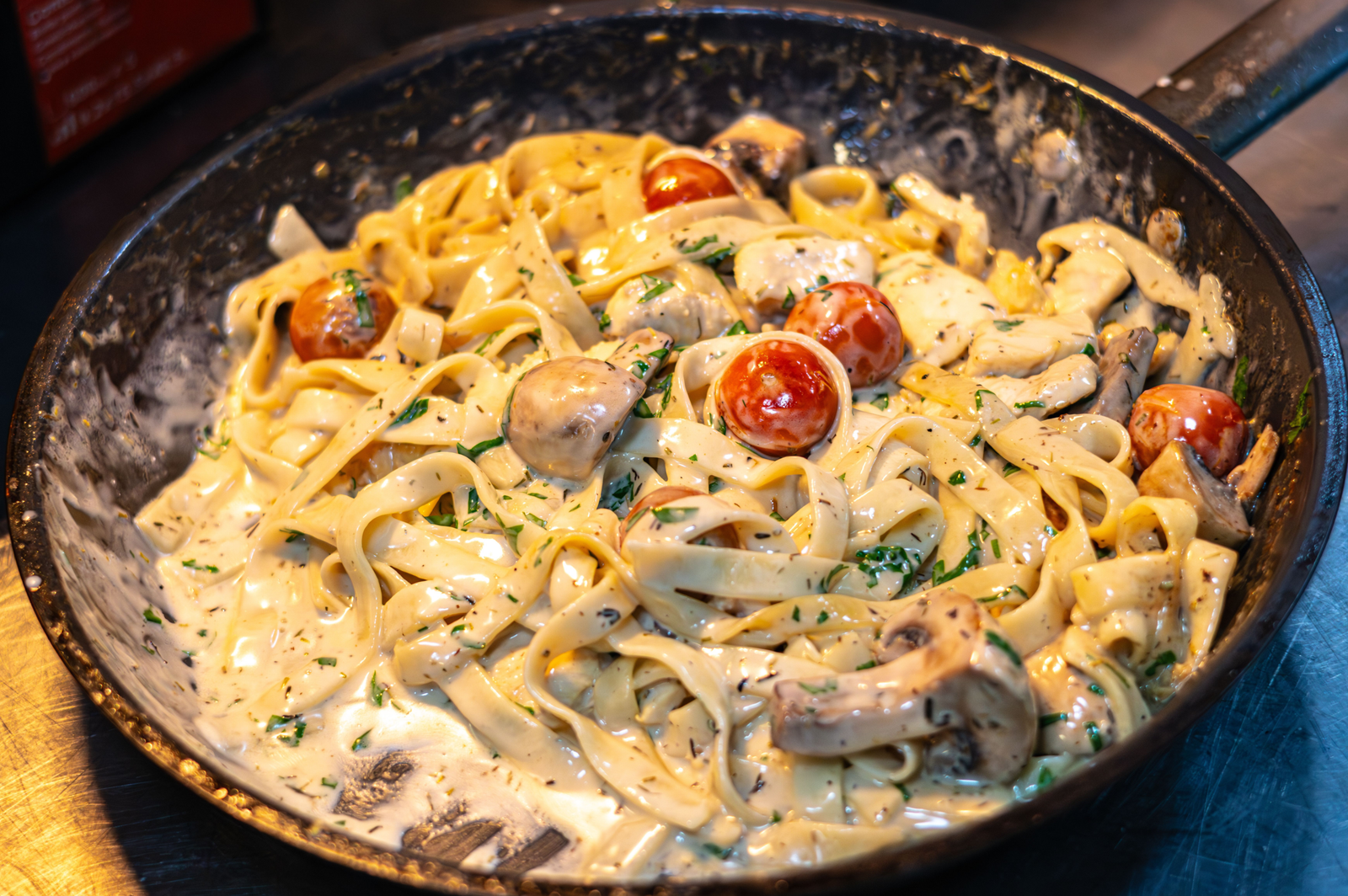
There’s Italian comfort food, and then there’s Chicken Alfredo – the dish that feels like a warm hug on a plate. With its velvety, Parmesan‑rich sauce clinging to tender fettuccine and juicy chunks of chicken, it’s the kind of meal that transforms an ordinary evening into something special. It’s creamy, indulgent, and utterly irresistible.
I’ll never forget the first time I had authentic Chicken Alfredo in a small trattoria in Rome. It was nothing like the heavy, overly thick versions I’d had before – it was elegant, silky, and bursting with the pure, nutty flavor of real Parmesan. That experience inspired me to perfect my own version at home, stripping away unnecessary ingredients and focusing on what truly matters: quality cheese, real butter, and a little pasta water to create a sauce that’s luxurious without being heavy.
This recipe captures that magic. It’s made from scratch with simple, honest ingredients – no cream cheese, no flour, no shortcuts. Just butter, heavy cream, freshly grated Parmesan, and a touch of garlic, all emulsified into a silky sauce that clings perfectly to every strand of pasta. The chicken is pan‑seared until golden and juicy, making every bite a perfect balance of textures and flavors.
What Is Chicken Alfredo?
Chicken Alfredo is a classic Italian‑American pasta dish consisting of fettuccine tossed in a creamy Parmesan sauce (Alfredo sauce) and topped with tender, pan‑seared chicken. The sauce itself is deceptively simple – traditionally made with just butter, heavy cream, and freshly grated Parmesan cheese, emulsified together with a splash of pasta water to create a silky, velvety coating. The result is a dish that’s rich and satisfying, yet allows the pure flavors of the cheese and cream to shine.
The History Behind Alfredo
Alfredo sauce was created in Rome in the early 1900s by Alfredo di Lelio, who made a simple dish of fettuccine, butter, and Parmesan to help his pregnant wife regain her appetite. The dish became famous when American tourists discovered it and brought the recipe back to the United States, where it evolved into the creamier, more elaborate version we know today. This recipe honors the original spirit – simple, high‑quality ingredients prepared with care.
Flavor & Texture Profile
- Flavor: Rich, creamy, and deeply savory with a nutty, slightly salty finish from the Parmesan. Subtle hints of garlic and black pepper add warmth.
- Texture: Silky, velvety sauce that coats each strand of pasta perfectly; tender, juicy chicken with a golden sear; pasta cooked al dente for a satisfying bite.
- Aroma: Warm, inviting, and cheesy – the scent of melted butter, garlic, and Parmesan fills the kitchen.
Why People Love It
Chicken Alfredo is the ultimate comfort food – it’s creamy, filling, and deeply satisfying. It feels indulgent and restaurant‑quality, yet it comes together in about 30 minutes with simple ingredients. It’s also a crowd‑pleaser that both kids and adults love, making it a go‑to for family dinners and special occasions.
Why You’ll Love This Recipe
- Authentic & Creamy: No cream cheese, no flour – just butter, cream, and real Parmesan for a silky, authentic sauce.
- Quick & Easy: Ready in about 30 minutes – perfect for weeknight dinners.
- Restaurant‑Quality: Tastes like it came from your favorite Italian restaurant, but made in your own kitchen.
- Juicy Chicken: Pan‑seared to golden perfection and sliced tenderly over the pasta.
- Simple Ingredients: Everything you need is easily found at any grocery store.
- Customizable: Add vegetables, swap proteins, or make it your own.
- Family‑Approved: A dish that everyone will love – picky eaters included.
Ingredients
For the Chicken
- Boneless, skinless chicken breasts – 2 large (about 1–1½ lbs total)
- Salt – ½ teaspoon
- Black pepper – ½ teaspoon (freshly ground)
- Paprika – ½ teaspoon (optional, for color)
- Olive oil – 1 tablespoon
- Unsalted butter – 1 tablespoon
For the Alfredo Sauce
- Unsalted butter – ½ cup (1 stick)
- Garlic – 3 cloves (minced)
- Heavy cream – 1½ cups (full‑fat for best results)
- Parmesan cheese – 1½ cups (freshly grated, plus extra for garnish)
- Salt – ½ teaspoon (adjust to taste)
- Black pepper – ½ teaspoon (freshly ground)
- Nutmeg – a pinch (optional, adds warmth)
For the Pasta
- Fettuccine pasta – 12 ounces (or your favorite pasta shape)
- Salt – for the pasta water
- Fresh parsley – 2 tablespoons (chopped, for garnish)
Premium Ingredient Options
- Parmesan: Use Parmigiano‑Reggiano – its nutty, crystalline texture melts beautifully into the sauce.
- Butter: European‑style butter (higher fat content) creates a richer sauce.
- Pasta: Fresh fettuccine has a more delicate texture than dried.
Budget Alternatives
- Use chicken thighs instead of breasts – they’re often cheaper and more forgiving.
- Replace fettuccine with any pasta you have on hand – spaghetti, penne, or linguine all work.
- Use a good‑quality domestic Parmesan if imported is too expensive.
Common Ingredient Mistakes
- Using pre‑shredded Parmesan: It contains anti‑caking agents that prevent smooth melting – always grate your own.
- Not reserving pasta water: The starchy water is essential for creating a silky, emulsified sauce.
- Adding all the cream at once: Gradually add and whisk to prevent the sauce from breaking.
Ingredient Substitutions
- Gluten‑Free: Use gluten‑free fettuccine or your preferred GF pasta.
- Dairy‑Free: Replace butter with vegan butter, heavy cream with full‑fat coconut cream, and Parmesan with a high‑quality vegan Parmesan.
- Low‑Fat: Use half‑and‑half instead of heavy cream (sauce will be thinner); reduce butter slightly.
- Vegetarian: Skip the chicken or substitute with grilled mushrooms or tofu.
- Keto / Low‑Carb: Serve over zucchini noodles (zoodles) or spaghetti squash.
Equipment
Essential Tools
- Large skillet or frying pan (12‑inch)
- Large pot (for boiling pasta)
- Meat thermometer (optional but recommended)
- Wooden spoon or silicone spatula
- Chef’s knife and cutting board
- Measuring cups and spoons
- Colander (for draining pasta)
- Microplane or box grater (for Parmesan)
Optional Tools
- Meat mallet (for pounding chicken to even thickness)
- Garlic press (for quick mincing)
- Tongs (for tossing pasta)
Step‑by‑Step Instructions
- Step 1: Prep the Chicken
Place the chicken breasts between two sheets of plastic wrap and gently pound to an even ¾‑inch thickness using a meat mallet or rolling pin. Pat both sides completely dry with paper towels. Season both sides with salt, pepper, and paprika (if using).
Why this matters: Even thickness ensures uniform cooking; drying helps achieve a golden sear.
Visual cue: The chicken should be flat and even, with no thick bulbous ends. - Step 2: Cook the Pasta
Bring a large pot of generously salted water to a boil. Add the fettuccine and cook according to package instructions until al dente. Reserve 1 cup of pasta water before draining. Drain the pasta and set aside (do not rinse – the starch helps the sauce cling).
Pro tip: Salt the pasta water well – it seasons the pasta from the inside out.
Beginner tip: Reserve the pasta water just before draining – it’s the secret to a silky sauce. - Step 3: Sear the Chicken
Heat the olive oil and 1 tablespoon of butter in a large skillet over medium‑high heat. Once hot, carefully place the seasoned chicken breasts in the skillet. Cook for 5‑7 minutes per side, until deeply golden brown and the internal temperature reaches 165°F. Transfer the chicken to a cutting board and let it rest for 5‑10 minutes.
Visual cue: The chicken should have a beautiful, dark golden‑brown crust.
Common mistake: Moving the chicken too soon – let it sear undisturbed to develop a proper crust. - Step 4: Make the Alfredo Sauce
In the same skillet (no need to wipe it out), melt the remaining ½ cup of butter over medium heat. Add the minced garlic and cook for 30‑60 seconds until fragrant – do not let it brown. Slowly pour in the heavy cream while whisking constantly. Bring to a gentle simmer, then reduce the heat to low.
Aroma cue: The garlic will become intensely fragrant – that’s when it’s ready.
Pro tip: Whisking constantly prevents the cream from scorching on the bottom. - Step 5: Add the Parmesan
Gradually add the freshly grated Parmesan cheese to the sauce, whisking continuously until fully melted and smooth. Season with salt, pepper, and a pinch of nutmeg (if using).
Texture cue: The sauce should be silky and smooth, with no lumps of cheese.
Critical tip: Remove the sauce from the heat if it starts to bubble vigorously – boiling can cause the cheese to separate. - Step 6: Combine and Toss
Add the cooked fettuccine to the sauce along with ½ cup of the reserved pasta water. Toss vigorously with tongs to coat the pasta evenly. The pasta water helps emulsify the sauce, making it silky and glossy. Add more pasta water a splash at a time if the sauce is too thick.
Visual cue: The sauce should coat each strand of pasta and look glossy, not watery.
Texture cue: The pasta should be well‑coated and glide easily. - Step 7: Slice the Chicken
Slice the rested chicken breasts against the grain into ½‑inch thick slices.
Pro tip: Slicing against the grain ensures the most tender bite. - Step 8: Serve and Garnish
Plate the pasta and top with the sliced chicken. Garnish with fresh parsley and extra Parmesan cheese. Serve immediately while hot and creamy.
Visual cue: A sprinkle of fresh green parsley adds a beautiful pop of color.
Expert Chef Tips
Restaurant Techniques for Home Cooks
- The Pasta Water Secret: The starch in the reserved pasta water is the key to a silky, emulsified sauce – it helps the butter, cream, and cheese come together into a cohesive sauce that clings to the pasta.
- Freshly Grated Parmesan: Always grate your own Parmesan – pre‑shredded cheese contains anti‑caking agents that prevent smooth melting and can make the sauce grainy.
- Don’t Rinse the Pasta: Rinsing removes the starchy coating that helps the sauce adhere. Toss the pasta directly from the colander into the sauce.
- Finish with a Splash of Pasta Water: Adding a little pasta water at the end loosens the sauce and gives it a beautiful, glossy sheen.
- Low and Slow for the Sauce: Keep the sauce over low heat – high heat can cause the cream to separate or the cheese to become stringy.
Flavor Balancing
- Salt: Season the chicken, the pasta water, and the sauce separately for layered flavor.
- Umami: Parmesan provides deep, savory notes.
- Garlic: Adds warmth and complexity without overpowering.
- Nutmeg: A pinch adds an almost imperceptible warmth that elevates the sauce.
Texture Improvement Tips
- Pat Chicken Thoroughly Dry: This is the #1 rule for a good sear.
- Use Heavy Cream: It creates the most stable, velvety sauce that won’t separate.
- Toss, Don’t Stir: Use tongs to toss the pasta with the sauce – it coats each strand more evenly.
- Serve Immediately: Alfredo sauce is best enjoyed fresh – it can thicken and separate as it cools.
Cooking Science
The key to a perfect Alfredo sauce is the emulsion created between the fat (butter and cream), the starch (from the pasta water), and the protein (Parmesan cheese). The starch acts as a stabilizer, helping the fat and water combine into a smooth, creamy sauce. The cheese’s proteins create structure, while the fat provides richness and mouthfeel. This is why pasta water is essential – it’s not just about moisture, but about creating a stable emulsion.
Troubleshooting
- Sauce is too thin – Simmer for 2‑3 minutes to reduce and thicken, or add more Parmesan cheese.
- Sauce is too thick – Add a splash of reserved pasta water (or milk) a little at a time, tossing to incorporate.
- Sauce is grainy or lumpy – The cheese likely wasn’t grated finely enough, or it was added to sauce that was too hot. Remove from heat and whisk vigorously to try to smooth it out.
- Sauce separated or broke – This happens if the sauce boiled or the cream was added too quickly. Remove from heat, add a splash of cold heavy cream, and whisk vigorously to re‑emulsify.
- Chicken is dry – You likely overcooked it; always use a thermometer and remove at 165°F.
- Not enough garlic flavor – Use 1‑2 extra cloves, or add a pinch of garlic powder with the seasonings.
- Pasta is clumping – Toss the pasta immediately after draining, or add a little oil before draining if it will sit for a few minutes.
Recipe Variations
Classic Chicken Alfredo
Follow the recipe as written – it’s the timeless, creamy, cheesy perfection you know and love.
Garlic Shrimp Alfredo
Replace chicken with 1 lb of large shrimp. Sauté shrimp for 2‑3 minutes per side until pink and cooked through. Top the pasta with shrimp and serve.
Chicken & Broccoli Alfredo
Steam 2 cups of broccoli florets and stir them into the pasta along with the sauce – it adds color, texture, and a nutritional boost.
Mushroom & Chicken Alfredo
Sauté 1 cup of sliced mushrooms with the garlic until they release their liquid and start to brown. Proceed with the sauce.
Cajun Chicken Alfredo
Season the chicken with 1 tablespoon of Cajun seasoning instead of the simple spice rub. Add a pinch of cayenne to the sauce for a spicy kick.
Sun‑Dried Tomato & Chicken Alfredo
Add ¼ cup of chopped sun‑dried tomatoes (in oil, drained) to the sauce along with the cream for a sweet, tangy twist.
Lighter Alfredo
Replace heavy cream with half‑and‑half and reduce butter to ¼ cup. The sauce will be thinner but still delicious.
Serving Suggestions
Side Dishes
A crisp green salad with lemon vinaigrette, garlic bread, roasted asparagus, steamed broccoli, or sautéed green beans.
Drinks
A crisp white wine like Pinot Grigio or Sauvignon Blanc complements the creamy richness. For a non‑alcoholic option, try sparkling water with lemon or a refreshing iced tea.
Garnishes
Fresh parsley, extra Parmesan, cracked black pepper, or a drizzle of good olive oil.
Presentation Ideas
Serve the pasta in a large shallow bowl, with the sliced chicken artfully arranged on top. Sprinkle with fresh parsley and extra Parmesan for a beautiful, restaurant‑style presentation.
Storage & Reheating
Refrigeration
Store leftovers in an airtight container in the refrigerator for up to 3‑4 days.
Freezing
Alfredo sauce can separate when frozen and thawed – it’s best to freeze the pasta and sauce separately if possible. If freezing together, it will still be edible but may have a slightly different texture.
Reheating Methods (Best to Worst)
- Stovetop (Best): Reheat gently over low heat, adding a splash of milk or cream to loosen the sauce. Stir frequently.
- Oven: Cover with foil and bake at 325°F for 10‑15 minutes.
- Microwave (Worst): Heat in 30‑second intervals, stirring between each, adding a splash of milk if needed.
Texture Preservation Tips
When reheating, always add a little liquid (milk, cream, or pasta water) to bring the sauce back to its silky consistency. Heat gently and stir frequently to prevent the sauce from breaking.
FAQ
How do you make Alfredo sauce from scratch?
To make Alfredo sauce from scratch, melt butter in a skillet, add minced garlic and cook until fragrant, then whisk in heavy cream. Simmer gently, then gradually add freshly grated Parmesan cheese while whisking continuously until smooth. Season with salt, pepper, and a pinch of nutmeg.
What is the best Parmesan for Alfredo sauce?
Parmigiano‑Reggiano is the best choice – it has a nutty, complex flavor and melts beautifully. Grana Padano is a good, slightly milder alternative. Always grate it fresh – pre‑shredded cheese won’t melt as smoothly.
Why does my Alfredo sauce get grainy?
Grainy Alfredo sauce is usually caused by using pre‑shredded cheese (which contains anti‑caking agents) or adding the cheese to sauce that’s too hot. Remove the sauce from the heat before adding the cheese, and whisk continuously.
Can I make Alfredo sauce without cream?
Yes – you can use whole milk and additional butter, but the sauce won’t be as rich or thick. Some recipes use a roux (flour and butter) to thicken a milk‑based sauce, but that’s a different style from traditional Alfredo.
How do I keep Alfredo sauce creamy when reheating?
Reheat over low heat and add a splash of milk, cream, or reserved pasta water. Stir frequently and avoid boiling – this helps maintain the emulsion and prevents separation.
Can I use half‑and‑half instead of heavy cream?
Yes, but the sauce will be thinner and less rich. You may need to add extra Parmesan to help thicken it.
What pasta is best for Alfredo?
Fettuccine is the traditional choice – its wide, flat shape holds the sauce beautifully. Fettuccine Alfredo is the classic combination. Other good options include tagliatelle, pappardelle, or even penne.
How do I prevent my Alfredo sauce from separating?
Avoid boiling the sauce after adding the cream and cheese. Keep the heat low and stir continuously. Adding a splash of pasta water also helps stabilize the emulsion.
Can I add vegetables to chicken Alfredo?
Absolutely – broccoli, mushrooms, spinach, sun‑dried tomatoes, and peas are all excellent additions. Add them during the sauce‑making process or stir them in with the pasta.
Is it better to use fresh or dried pasta?
Fresh pasta has a more delicate texture and cooks faster, but dried fettuccine works beautifully and is more accessible. Both are great choices.
How do I store leftover chicken Alfredo?
Store in an airtight container in the refrigerator for up to 3‑4 days. Reheat gently on the stovetop with a splash of milk or cream.
Can I freeze chicken Alfredo?
It’s best to freeze the pasta and sauce separately. If frozen together, the sauce may separate when thawed. If you do freeze it together, reheat slowly and stir well.
What wine pairs with chicken Alfredo?
A crisp, unoaked white wine like Pinot Grigio or Sauvignon Blanc pairs beautifully. A light Chardonnay also works well.
Can I make this dairy‑free?
Yes – use vegan butter, full‑fat coconut cream, and a high‑quality vegan Parmesan. The sauce will have a slightly different flavor but will still be creamy and delicious.
Nutrition (estimated per serving – about 1½ cups pasta with sauce and chicken)
- Calories: 650‑800
- Protein: 35‑45g
- Carbohydrates: 50‑65g
- Fat: 35‑45g
- Fiber: 2‑4g
- Sugar: 3‑6g
- Sodium: 800‑1,100mg
Note: Nutrition values are estimates and may vary based on specific ingredients, portion sizes, and cooking methods.
Recipe Card
| Chicken Alfredo Pasta – Creamy Italian Style Recipe | |
| Cuisine | Italian‑American |
| Course | Main Course |
| Prep Time | 10 minutes |
| Cook Time | 20‑25 minutes |
| Total Time | 30‑35 minutes |
| Servings | 4 |
| Calories | 650‑800 per serving |
Ingredients
For the Chicken:
- 2 large boneless, skinless chicken breasts (1‑1½ lbs)
- ½ teaspoon salt
- ½ teaspoon black pepper
- ½ teaspoon paprika (optional)
- 1 tablespoon olive oil
- 1 tablespoon unsalted butter
For the Alfredo Sauce:
- ½ cup unsalted butter (1 stick)
- 3 cloves garlic (minced)
- 1½ cups heavy cream
- 1½ cups freshly grated Parmesan cheese
- ½ teaspoon salt
- ½ teaspoon black pepper
- Pinch of nutmeg (optional)
For the Pasta:
- 12 ounces fettuccine pasta
- Salt for pasta water
- 2 tablespoons fresh parsley (chopped, for garnish)
Instructions
- Prep chicken: Pound to even thickness, pat dry, and season with salt, pepper, and paprika.
- Cook pasta: Boil in salted water until al dente. Reserve 1 cup of pasta water, then drain.
- Sear chicken: Heat oil and 1 tablespoon butter in a skillet over medium‑high heat. Cook chicken 5‑7 minutes per side until golden and 165°F internal. Rest 5‑10 minutes, then slice.
- Make sauce: In the same skillet, melt ½ cup butter over medium heat. Add garlic and cook 30‑60 seconds until fragrant.
- Add cream: Slowly pour in heavy cream while whisking. Bring to a gentle simmer, then reduce heat to low.
- Add cheese: Gradually whisk in Parmesan until smooth and melted. Season with salt, pepper, and nutmeg.
- Toss pasta: Add cooked pasta and ½ cup reserved pasta water to the sauce. Toss vigorously to coat. Add more water if needed.
- Serve: Plate pasta, top with sliced chicken, garnish with parsley and extra Parmesan. Serve immediately.
Notes
- Always grate your own Parmesan – pre‑shredded cheese won’t melt smoothly.
- Reserve pasta water before draining – it’s essential for a silky sauce.
- Don’t rinse the pasta – the starch helps the sauce cling.
- Keep the sauce over low heat after adding cream and cheese to prevent separation.
- Serve immediately – Alfredo is best enjoyed fresh.
Nutrition (per serving)
Calories: 650‑800 | Protein: 35‑45g | Carbs: 50‑65g | Fat: 35‑45g | Fiber: 2‑4g | Sugar: 3‑6g | Sodium: 800‑1,100mg