
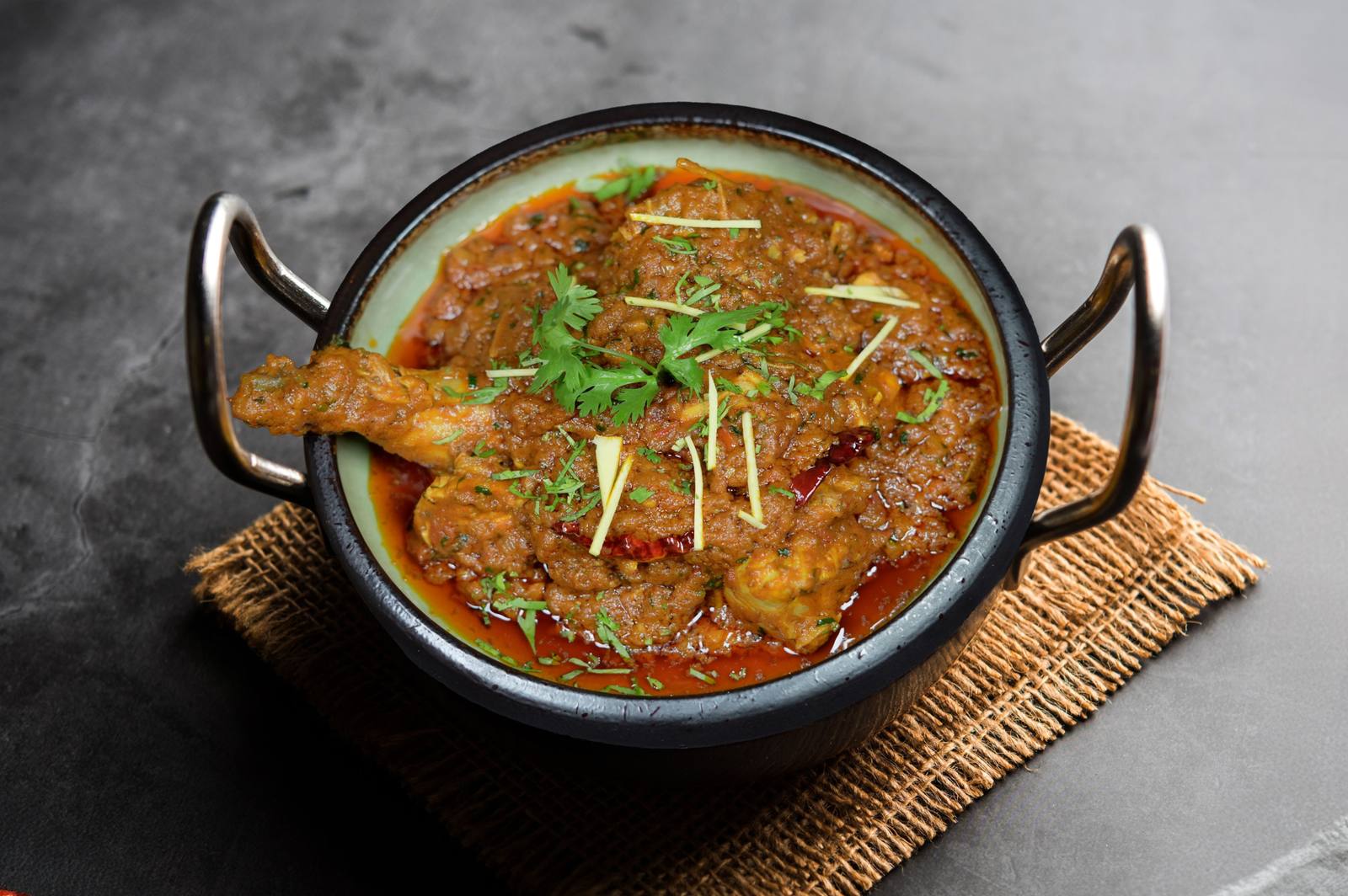
There’s something deeply comforting about a bowl of homemade chicken curry – the kind that fills your kitchen with the warm, aromatic embrace of toasted spices, simmering onions, and tender chicken swimming in a velvety gravy. This isn’t just a meal; it’s an experience. It’s the dish that turns an ordinary weeknight into something special, and it’s the recipe that guests will ask for again and again.
I’ve spent years perfecting this curry, drawing inspiration from family recipes and countless hours in the kitchen. The secret lies in layering flavors – blooming whole spices in hot oil, slowly caramelizing onions, and letting the chicken simmer gently until it’s fall‑apart tender. The result is a rich, deeply flavorful curry with a perfect balance of heat, tang, and creaminess.
What I love most about this recipe is its versatility. It’s bold enough to impress on a special occasion, yet simple enough for a cozy dinner at home. Serve it with fluffy basmati rice, warm naan bread, or crusty rolls – and watch it disappear. Whether you’re new to curry or a seasoned home cook, this recipe delivers restaurant‑quality flavor with down‑to‑earth, everyday ingredients.
What Is Chicken Curry?
Chicken curry is a dish of chicken pieces simmered in a spiced, sauce‑based gravy. While curry varies widely across regions – from the coconut‑infused curries of South India and Thailand to the cream‑based curries of North India – this version is a classic, homestyle North Indian‑inspired curry. It features a rich, onion‑tomato gravy seasoned with a blend of aromatic spices like cumin, coriander, turmeric, and garam masala. The sauce is deeply savory, slightly tangy, and luxuriously smooth, coating each piece of tender chicken.
A Rich Culinary Tradition
Curry is a cornerstone of Indian cuisine, with each region and even each family having its own treasured recipe. This particular style – known as a “masala” curry – relies on a base of slow‑cooked onions, ginger, and garlic, which creates a deep, sweet, and savory foundation. The addition of tomatoes provides natural acidity and body, while spices build layers of warmth and complexity.
Flavor & Texture Profile
- Flavor: Warm, earthy, and aromatic with a gentle heat that builds slowly. Notes of cumin, coriander, and garam masala are balanced by tangy tomatoes and a hint of creaminess.
- Texture: Tender, juicy chicken that’s been simmered to perfection in a thick, silky, and luscious gravy that clings to every bite.
- Aroma: The intoxicating scent of toasted cumin, ginger, garlic, and garam masala wafting through your kitchen – pure comfort.
Why People Love It
Chicken curry is beloved for its incredible depth of flavor, versatility, and ability to bring people together. It’s the ultimate make‑ahead meal – it actually tastes better the next day as the flavors meld. It’s also budget‑friendly, nutritious, and endlessly adaptable to different dietary needs.
Why You’ll Love This Recipe
- Rich, Deep Flavor: Layered spices and slow‑cooked onions create a complex, restaurant‑quality taste.
- Perfectly Tender Chicken: Simmered gently, the chicken becomes incredibly juicy and falls apart with a fork.
- One‑Pot Wonder: Everything cooks in a single pot – easy cooking, even easier cleanup.
- Customizable Heat: Adjust the chili to your liking – from mild and family‑friendly to fiery and bold.
- Make‑Ahead & Freezer‑Friendly: The flavors deepen overnight, making it ideal for meal prep.
- Versatile Serving Options: Pairs beautifully with rice, naan, roti, or even over roasted vegetables.
- Everyday Ingredients: No hard‑to‑find items – just pantry spices and fresh produce.
Ingredients
For the Marinade
- Chicken – 1½–2 lbs (bone‑in or boneless, skinless thighs or breasts, cut into pieces)
- Plain yogurt – ½ cup (full‑fat works best, tenderizes the meat)
- Ginger‑garlic paste – 1 tablespoon (or 4 cloves garlic + 1 inch ginger, minced)
- Turmeric powder – ½ teaspoon
- Red chili powder – ½ teaspoon (adjust to taste)
- Salt – 1 teaspoon
For the Curry Base
- Oil or ghee – 2 tablespoons (ghee adds extra richness)
- Bay leaf – 1 (adds subtle aromatic depth)
- Green cardamom – 2 pods (lightly crushed)
- Cloves – 3
- Cinnamon stick – 1 small piece
- Onions – 2 medium (finely chopped)
- Ginger‑garlic paste – 1 tablespoon (additional for the base)
- Tomatoes – 2 medium (pureed or finely chopped)
- Cumin powder – 1 teaspoon
- Coriander powder – 1½ teaspoons
- Turmeric powder – ½ teaspoon
- Red chili powder – ½–1 teaspoon (adjust to heat preference)
- Salt – to taste
- Water – 1 cup (or as needed for desired consistency)
For Finishing
- Garam masala – 1 teaspoon (add at the end for fresh aroma)
- Heavy cream or coconut milk – ¼ cup (optional, for richness)
- Fresh cilantro – ¼ cup (chopped, for garnish)
Premium Ingredient Options
- Chicken: Bone‑in thighs have the most flavor and stay juiciest during simmering.
- Ghee: Clarified butter adds a nutty, luxurious richness that oil can’t match.
- Yogurt: Whole‑milk yogurt creates a more tender marinade than low‑fat versions.
Budget Alternatives
- Use boneless chicken breasts if they’re more affordable (just reduce cooking time slightly).
- Replace ghee with vegetable or canola oil.
- Skip the cream or coconut milk – the curry will still be flavorful and slightly lighter.
Common Ingredient Mistakes
- Using cold spices: Toasting spices in hot oil releases their essential oils – never skip this step.
- Burning the onions: Cook onions slowly over medium heat until golden – rushing leads to a bitter taste.
- Adding garam masala too early: Garam masala is a finishing spice – add it at the end to preserve its delicate aroma.
Ingredient Substitutions
- Dairy‑Free: Use coconut milk or coconut cream instead of yogurt and cream; replace ghee with a neutral oil.
- Vegan / Vegetarian: Substitute chicken with paneer, extra‑firm tofu, or hearty vegetables like cauliflower and potatoes.
- Gluten‑Free: This recipe is naturally gluten‑free – just ensure your spices and broths are certified GF.
- Keto / Low‑Carb: Serve with cauliflower rice; omit any sugar or honey if added; use heavy cream (not coconut milk with sugar).
- Low‑Sodium: Use salt‑free spice blends and low‑sodium broth if you add it.
Equipment
Essential Tools
- Heavy‑bottomed pot or Dutch oven (holds heat evenly, prevents burning)
- Chef’s knife and cutting board
- Measuring spoons and cups
- Wooden spoon or spatula
- Immersion blender or regular blender (optional, for silky gravy)
Optional Tools
- Mortar and pestle (for crushing whole spices)
- Slow cooker or Instant Pot (for hands‑off cooking)
Step‑by‑Step Instructions
- Step 1: Marinate the Chicken
In a large bowl, combine the yogurt, 1 tablespoon ginger‑garlic paste, turmeric, red chili powder, and salt. Add the chicken pieces and mix thoroughly, ensuring each piece is well coated. Cover and refrigerate for at least 30 minutes, but ideally 2‑4 hours or overnight. The longer, the more tender and flavorful the chicken.
Visual cue: The chicken should be evenly coated in a thick, yellow‑orange marinade.
Why this matters: The yogurt’s acidity tenderizes the meat and helps the spices penetrate deeply. - Step 2: Toast the Whole Spices
Heat the oil or ghee in a heavy‑bottomed pot over medium heat. Add the bay leaf, cardamom, cloves, and cinnamon. Sauté for 30‑60 seconds until fragrant – the spices will sizzle and release their aroma.
Aroma cue: You’ll smell a warm, sweet, and spicy fragrance.
Beginner tip: Don’t let the spices burn – they should sizzle gently, not smoke. - Step 3: Sauté the Onions
Add the finely chopped onions to the pot and cook over medium heat, stirring occasionally, until they are soft, translucent, and golden brown. This takes about 8‑10 minutes. Be patient – properly browned onions are the foundation of a great curry.
Visual cue: The onions should be a deep, rich golden‑brown color, not pale or burnt.
Texture cue: The onions will have softened significantly and reduced in volume. - Step 4: Add Ginger‑Garlic and Spices
Stir in the additional 1 tablespoon of ginger‑garlic paste and cook for 1‑2 minutes until the raw smell disappears. Then add the cumin powder, coriander powder, turmeric powder, and red chili powder. Cook for another minute, stirring constantly, to toast the spices.
Aroma cue: The spices will bloom, filling the kitchen with an intense, warm fragrance.
Common mistake: Burning the spices – keep the heat at medium and stir continuously. - Step 5: Cook the Tomatoes
Add the pureed or finely chopped tomatoes to the pot. Stir well and cook for 5‑7 minutes until the tomatoes break down completely and the oil begins to separate from the masala (the mixture will look glossy and release bubbles at the edges).
Visual cue: The oil will form tiny pools on the surface and around the edges – this indicates the masala is fully cooked and flavorful.
Texture cue: The mixture should be thick and pasty, not watery. - Step 6: Cook the Chicken
Add the marinated chicken pieces to the pot along with any leftover marinade. Stir well to coat the chicken with the masala. Cook for 5‑6 minutes, stirring occasionally, until the chicken starts to brown slightly and releases its juices.
Visual cue: The chicken will change color from pink to opaque white with light browning. - Step 7: Simmer
Pour in 1 cup of water (or more for a thinner gravy). Bring to a gentle boil, then reduce the heat to low. Cover the pot and let it simmer for 20‑25 minutes for boneless chicken, or 30‑35 minutes for bone‑in, until the chicken is tender and cooked through. Stir occasionally to prevent sticking.
Texture cue: The chicken should be fork‑tender and easily pull apart.
Visual cue: The gravy will thicken and take on a rich, dark orange‑brown hue. - Step 8: Finish with Garam Masala and Cream
Turn off the heat. Stir in the garam masala and the heavy cream or coconut milk (if using). The residual heat will warm them through without boiling (which can curdle the cream).
Pro tip: Adding garam masala at the end preserves its fresh, vibrant aroma – boiling it diminishes the flavor. - Step 9: Garnish and Serve
Garnish generously with fresh chopped cilantro. Let the curry rest for 5‑10 minutes to allow the flavors to meld. Serve hot with basmati rice, naan, or your favorite bread.
Visual cue: A vibrant green sprinkle of cilantro adds color and freshness.
Expert Chef Tips
Restaurant Techniques for Home Cooks
- Bloom Your Spices: Toasting whole and ground spices in hot oil (called “blooming”) releases their essential oils, creating a deeper, more aromatic flavor than simply adding them to liquid.
- The Secret to Velvety Gravy: For an extra‑smooth sauce, use an immersion blender to puree the onion‑tomato masala before adding the chicken – this creates a luxurious, restaurant‑style consistency.
- Layer Your Heat: Add a whole green chili while cooking for subtle background heat, and a pinch of red chili powder for a more direct kick – this builds complexity.
- Rest Before Serving: Let the curry rest for at least 10 minutes off the heat before serving. The flavors meld and deepen during this rest period.
- Use Bone‑In for Maximum Flavor: Bone‑in chicken pieces (thighs and drumsticks) add a richness to the gravy that boneless chicken simply can’t replicate.
Flavor Balancing
- Salt: Season in layers – a little in the marinade, a little in the masala, and a final adjustment at the end.
- Acid: Tomatoes provide natural tang; if the curry tastes flat, a squeeze of lemon juice at the end brightens everything.
- Heat: Balance the chili with the richness of yogurt and cream – the fat mellows the spice.
- Aroma: Garam masala added at the end provides the signature warm, sweet fragrance that defines Indian curry.
Texture Improvement Tips
- Use Full‑Fat Yogurt: Low‑fat yogurt can split or become grainy in the heat – whole‑milk yogurt creates a smoother marinade.
- Don’t Rush the Onions: Properly caramelized onions provide body and sweetness to the gravy – undercooked onions will be crunchy and sharp.
- Simmer, Don’t Boil: Boiling can toughen chicken and cause the sauce to separate. Maintain a gentle simmer for tender meat and a cohesive sauce.
Cooking Science
Yogurt marinade works through enzymatic tenderization – the lactic acid gently breaks down the chicken’s proteins without making it mushy (unlike highly acidic marinades). The Maillard reaction during browning creates complex, savory compounds that form the flavor backbone of the curry. Slow simmering allows collagen in the chicken to convert to gelatin, which thickens the sauce and gives it a rich, velvety mouthfeel. Garam masala, a blend of warming spices (cinnamon, cardamom, cloves), is added at the end because its volatile aromatic compounds are delicate and dissipate with prolonged heat.
Troubleshooting
- Gravy is too thin – Simmer uncovered for 5‑10 minutes to reduce and thicken. Alternatively, mash some of the cooked onion mixture against the side of the pot to release its natural thickening starches.
- Gravy is too thick – Stir in extra hot water or broth a little at a time until you reach your desired consistency.
- Chicken is tough or dry – You likely overcooked it or used breast meat. Next time, use thighs or reduce the simmering time. Always check doneness early.
- Curry tastes bitter – This can happen if the garlic, onions, or spices were burnt. Unfortunately, it’s hard to reverse – try adding a pinch of sugar or a splash of cream to mask it.
- Yogurt split in the marinade – This happens if the chicken is added to too‑hot oil or if the heat is too high when cooking. Keep the heat medium‑low when adding marinated chicken.
- Not enough flavor – Ensure you toasting the spices, browning the onions properly, and using enough salt. Add a final squeeze of lemon to brighten the flavors.
Recipe Variations
Classic North Indian Chicken Curry
Follow the recipe as written – it’s a traditional, homestyle curry that’s rich, warmly spiced, and deeply satisfying.
Coconut Chicken Curry (South Indian Style)
Replace the heavy cream with ½ cup of full‑fat coconut milk. Add 1 teaspoon of mustard seeds and a sprig of curry leaves along with the whole spices for a distinctly South Indian flavor.
Butter Chicken Style (Milder, Creamier)
Reduce the red chili powder to ¼ teaspoon. After simmering, stir in ½ cup of heavy cream and 2 tablespoons of butter. Finish with a pinch of fenugreek leaves (kasuri methi) for that signature butter chicken flavor.
Lighter, Healthier Curry
Skip the yogurt marinade and use lemon juice instead. Use chicken breasts and reduce the oil to 1 tablespoon. Replace cream with an extra ½ cup of tomato puree for a brighter, lighter sauce.
Slow Cooker Curry
Sauté the onions, spices, and tomatoes in a pan first, then transfer to a slow cooker with the marinated chicken. Cook on low for 6‑8 hours or high for 3‑4 hours. Add garam masala and cream at the end.
Instant Pot (Pressure Cooker) Curry
Use the Sauté function for steps 2‑6. Then add the chicken and water. Pressure cook on high for 10 minutes for boneless, 12 minutes for bone‑in. Natural release for 10 minutes, then finish with garam masala and cream.
Vegetable & Chickpea Curry (Vegan)
Replace chicken with 1 can of chickpeas and 2 cups of mixed vegetables (potatoes, cauliflower, carrots). Reduce cooking time – simmer just until vegetables are tender.
Serving Suggestions
Classic Sides
Fluffy basmati rice, jeera (cumin) rice, or plain steamed rice. Warm naan bread, roti, or paratha are perfect for scooping up the sauce.
Drinks
A crisp lager or pale ale cuts through the richness. For wine, a fruity Riesling or off‑dry Gewürztraminer pairs beautifully. Mango lassi or a cooling cucumber mint drink are classic non‑alcoholic choices.
Condiments
Mango chutney, raita (yogurt with cucumber and mint), pickled onions, or a simple green salad with lemon dressing.
Garnishes
Fresh cilantro, a swirl of cream, slivered almonds, or fried onions for extra crunch.
Presentation Ideas
Serve the curry in a deep bowl with a ring of rice around the edge. Garnish with fresh cilantro and a dollop of cream. Place a wedge of lemon on the side for guests to squeeze over their portion.
Storage & Reheating
Refrigeration
Store cooled curry in an airtight container in the refrigerator for up to 3‑4 days. The flavors actually improve after a day or two.
Freezing
This curry freezes beautifully for up to 2‑3 months. Cool completely, transfer to freezer‑safe containers, and freeze. Thaw overnight in the refrigerator before reheating.
Reheating Methods
- Stovetop (Best): Reheat gently over medium‑low heat, adding a splash of water or broth to loosen the sauce if needed.
- Microwave: Heat in 60‑second intervals, stirring between each, until hot.
- Oven: Cover and bake at 325°F for 15‑20 minutes.
Texture Preservation Tips
When reheating, do so slowly – high heat can break the sauce. If the sauce has thickened too much, stir in a little warm water or milk until it returns to your desired consistency.
FAQ
What is the best chicken cut for curry?
Bone‑in chicken thighs are the best choice – they stay juicy and flavorful during long simmering. Drumsticks are also excellent. Boneless thighs work well too; breasts can be used but cook faster and may dry out if overcooked.
How do I make my chicken curry more flavorful?
Use whole spices bloomed in hot oil, brown your onions until golden, marinate the chicken in yogurt and spices, and add garam masala at the very end. Also, use bone‑in chicken for maximum depth.
Why is my chicken curry watery?
You might have added too much liquid or not reduced the gravy enough. Simmer uncovered for a few minutes to allow excess liquid to evaporate and thicken.
Can I make curry without yogurt?
Yes – use lemon juice or vinegar as a tenderizer in the marinade, or skip the marinade and cook the chicken directly in the masala. You can also use coconut milk for richness.
Is this curry spicy?
The heat level is adjustable. As written, it’s medium‑mild. You can increase or decrease the red chili powder and cayenne to suit your preference.
Can I use ground chicken instead of pieces?
Ground chicken will not give you the same texture – this recipe is designed for whole pieces. If you use ground, cook it like a keema (dry curry) and reduce the liquid significantly.
What’s the difference between garam masala and curry powder?
Garam masala is a blend of warming spices like cinnamon, cardamom, and cloves, used as a finishing spice. Curry powder is a Western blend of turmeric, cumin, coriander, and other spices – it’s not commonly used in authentic Indian cooking.
Can I make this in a slow cooker?
Yes – sauté the onions and spices on the stovetop first, then transfer everything (except garam masala and cream) to the slow cooker. Cook on low for 6‑8 hours or high for 3‑4 hours.
How do I store leftover curry?
Store in an airtight container in the fridge for 3‑4 days. It also freezes well for up to 3 months.
What can I serve with chicken curry?
Basmati rice, naan, roti, or paratha are classic. You can also serve it with quinoa, roasted vegetables, or a simple green salad.
Why did my sauce split or curdle?
This can happen if you boil the sauce after adding cream or yogurt, or if acidic ingredients are added too quickly. Keep the heat low when adding dairy and avoid boiling.
Can I add vegetables to this curry?
Absolutely – potatoes, peas, carrots, bell peppers, and cauliflower all work wonderfully. Add them during the simmering stage (harder vegetables like potatoes need more time).
How do I make it vegan?
Replace chicken with tofu, paneer, or extra vegetables. Use coconut milk and coconut oil instead of dairy and ghee.
What is the secret to a really rich curry?
Patience – taking the time to brown the onions properly, toast the spices, and simmer the curry slowly. Also, using bone‑in chicken and a touch of cream or butter at the end adds luxurious richness.
Nutrition (estimated per serving – about 1½ cups)
- Calories: 380‑480
- Protein: 28‑35g
- Carbohydrates: 12‑18g
- Fat: 22‑30g
- Fiber: 3‑5g
- Sugar: 6‑9g
- Sodium: 650‑900mg
Note: Nutrition values are estimates and may vary based on specific ingredients, portion sizes, and cooking methods.
Recipe Card
| Chicken Curry – Rich and Flavorful Homemade | |
| Cuisine | Indian (North Indian style) |
| Course | Main Course |
| Prep Time | 15 minutes (plus marinating time) |
| Cook Time | 40‑50 minutes |
| Total Time | 1 hour (plus marinade) |
| Servings | 4 |
| Calories | 380‑480 per serving |
Ingredients
For the Marinade:
- 1½‑2 lbs chicken (bone‑in or boneless, cut into pieces)
- ½ cup plain yogurt (full‑fat)
- 1 tablespoon ginger‑garlic paste
- ½ teaspoon turmeric powder
- ½ teaspoon red chili powder
- 1 teaspoon salt
For the Curry:
- 2 tablespoons oil or ghee
- 1 bay leaf
- 2 green cardamom pods
- 3 cloves
- 1 small cinnamon stick
- 2 medium onions (finely chopped)
- 1 tablespoon ginger‑garlic paste
- 2 medium tomatoes (pureed or finely chopped)
- 1 teaspoon cumin powder
- 1½ teaspoons coriander powder
- ½ teaspoon turmeric powder
- ½‑1 teaspoon red chili powder
- Salt to taste
- 1 cup water
- 1 teaspoon garam masala
- ¼ cup heavy cream or coconut milk (optional)
- ¼ cup fresh cilantro (chopped, for garnish)
Instructions
- Marinate: Combine yogurt, ginger‑garlic paste, turmeric, chili powder, and salt. Coat chicken and refrigerate for 30 minutes to overnight.
- Bloom spices: Heat oil/ghee in a heavy pot. Add bay leaf, cardamom, cloves, and cinnamon. Sauté until fragrant (30‑60 seconds).
- Sauté onions: Add chopped onions and cook over medium heat until golden brown (8‑10 minutes).
- Add ginger‑garlic and spices: Stir in ginger‑garlic paste and cook for 1‑2 minutes. Add cumin, coriander, turmeric, and chili powder. Cook for 1 minute.
- Cook tomatoes: Add tomatoes and cook until they break down and oil separates (5‑7 minutes).
- Cook chicken: Add marinated chicken and any leftover marinade. Cook for 5‑6 minutes until chicken changes color.
- Simmer: Add water, bring to a boil, then reduce heat to low. Cover and simmer for 20‑25 minutes (boneless) or 30‑35 minutes (bone‑in), until chicken is tender.
- Finish: Turn off heat. Stir in garam masala and cream/coconut milk (if using).
- Garnish: Top with fresh cilantro and let rest for 5‑10 minutes before serving.
Notes
- Marinating longer (overnight) yields the most tender and flavorful chicken.
- Bone‑in chicken provides the richest gravy – use it if possible.
- Add garam masala at the very end for the best aroma.
- For a smoother gravy, blend the onion‑tomato masala before adding the chicken.
- Curry tastes even better the next day – make it ahead!
Nutrition (per serving)
Calories: 380‑480 | Protein: 28‑35g | Carbs: 12‑18g | Fat: 22‑30g | Fiber: 3‑5g | Sugar: 6‑9g | Sodium: 650‑900mg