
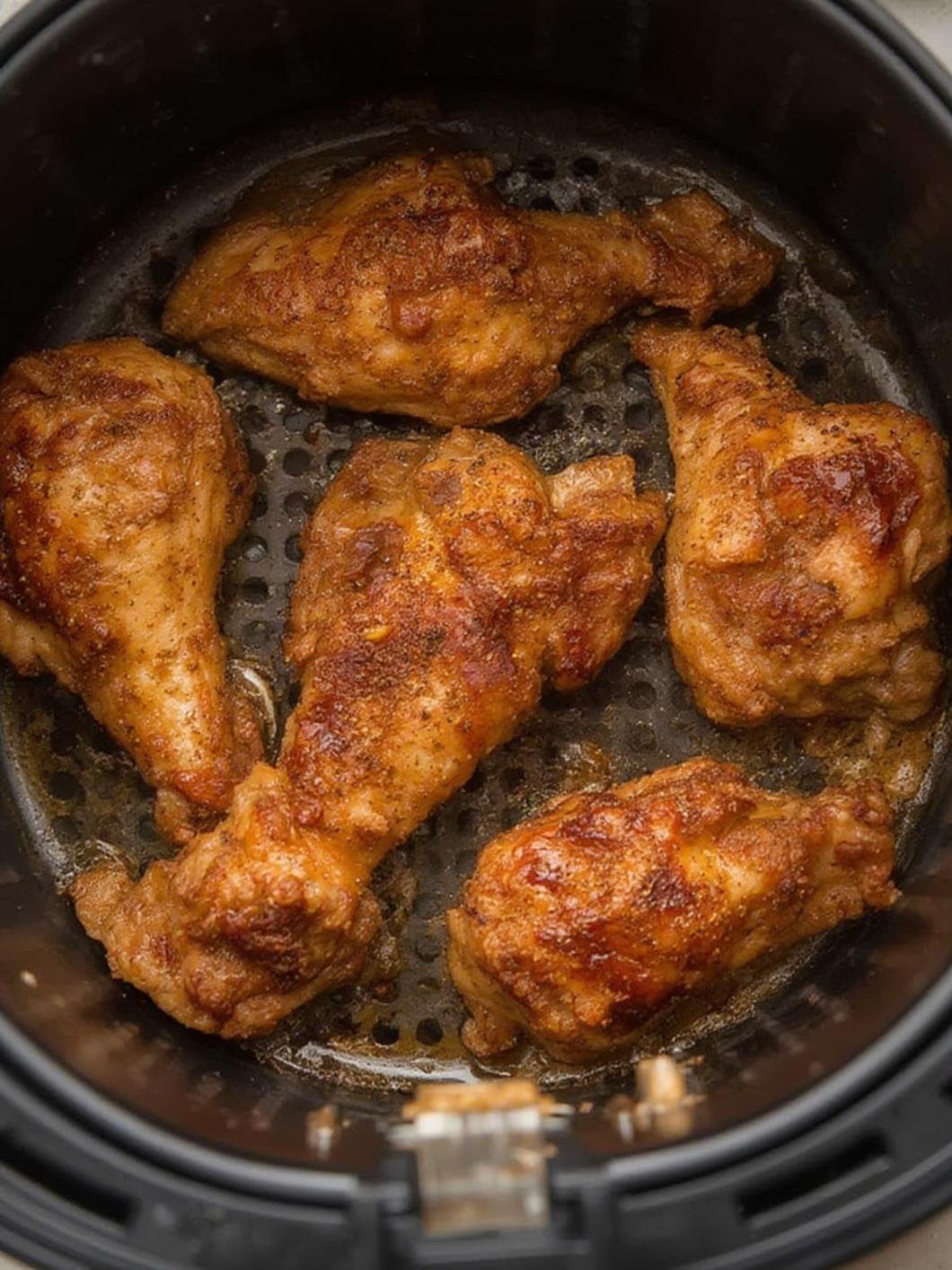
Making Chicken Recipes at home is not just about saving money, although the cost savings compared to dining out are genuinely impressive. It is about control. You decide the quality of the beef, the level of doneness, the seasoning, and the finishing touches. A cast iron skillet holds heat evenly and consistently, meaning your steak gets that gorgeous Maillard reaction crust without burning or uneven cooking. Combined with a quick oven finish and a generous basting of garlic herb butter, this is the kind of meal that turns an ordinary Tuesday into something memorable. Let us dive into everything you need to know.
Ingredients
Below is everything you need to make the perfect cast iron skillet steak at home. Every ingredient plays a specific role in building flavor, texture, and depth.
Main Ingredients
-
- 2 ribeye steaks (1 to 1.5 inches thick, approximately 12–14 oz each) – Ribeye is preferred for its fat marbling, which melts during cooking and bastes the meat from the inside. New York strip, sirloin, or filet mignon also work beautifully.
- 1.5 teaspoons kosher salt – Coarse kosher salt draws out moisture before cooking and forms the foundation of a great crust. Table salt is a substitute but use about half the amount.
- 1 teaspoon freshly cracked black pepper – Adds a subtle heat and enhances the beef’s natural savory notes.
- 2 tablespoons high-smoke-point oil – Avocado oil or refined coconut oil are ideal. Do not use olive oil as it burns at high heat.
- 3 tablespoons unsalted butter – Used for basting during the final cooking stage, creating a rich, golden flavor profile.
- 4 garlic cloves, lightly smashed – Infuses the butter with warm, savory aromatics while basting.
- 3 sprigs fresh rosemary – Adds a piney, herbaceous depth that pairs perfectly with beef fat.
- 3 sprigs fresh thyme – A slightly more delicate herb that rounds out the rosemary beautifully.
Optional Add-Ons & Finishing Touches
-
- Flaky sea salt (such as Maldon) – A small pinch added right before serving elevates the entire experience.
- 1 tablespoon Worcestershire sauce – Optional marinade addition for extra umami depth.
- Red pepper flakes – A light sprinkle for those who enjoy a mild kick.
- 1 tablespoon Dijon mustard (optional) – Can be rubbed on the steak 30 minutes before cooking for added tang and complexity.
- Fresh parsley for garnish – Optional, adds color and freshness to the finished plate.
Recommended Brands
-
- Lodge Cast Iron Skillets (12-inch recommended)
- Diamond Crystal Kosher Salt
- Chosen Foods Avocado Oil
- Kerrygold Unsalted Butter for a richer, creamier baste
Preparation & Cooking Time
| Detail | Time / Info |
|---|---|
| 🕐 Preparation Time | 10 minutes (plus 30–45 minutes resting time at room temperature) |
| 🔥 Cooking Time | 8–12 minutes (depending on thickness and desired doneness) |
| ⏱ Total Time | Approximately 25–30 minutes (active cooking time) |
| 🍽 Servings | 2 servings (easily doubled for 4) |
| 📊 Difficulty Level | Intermediate – manageable for beginners with careful attention |
| 🌡 Oven Temp (optional finish) | 400°F / 205°C |
Plan for at least 30–45 minutes of resting time before you even heat the skillet. Bringing your steak to room temperature is one of the most underrated preparation steps. It ensures even cooking from edge to edge, meaning you will not end up with a well-done exterior and a cold raw center. This resting window is a great time to gather your ingredients, season your steak generously, and let it sit uncovered on a rack so the surface dries slightly — a dry surface sears dramatically better than a wet one.
Step-by-Step Instructions
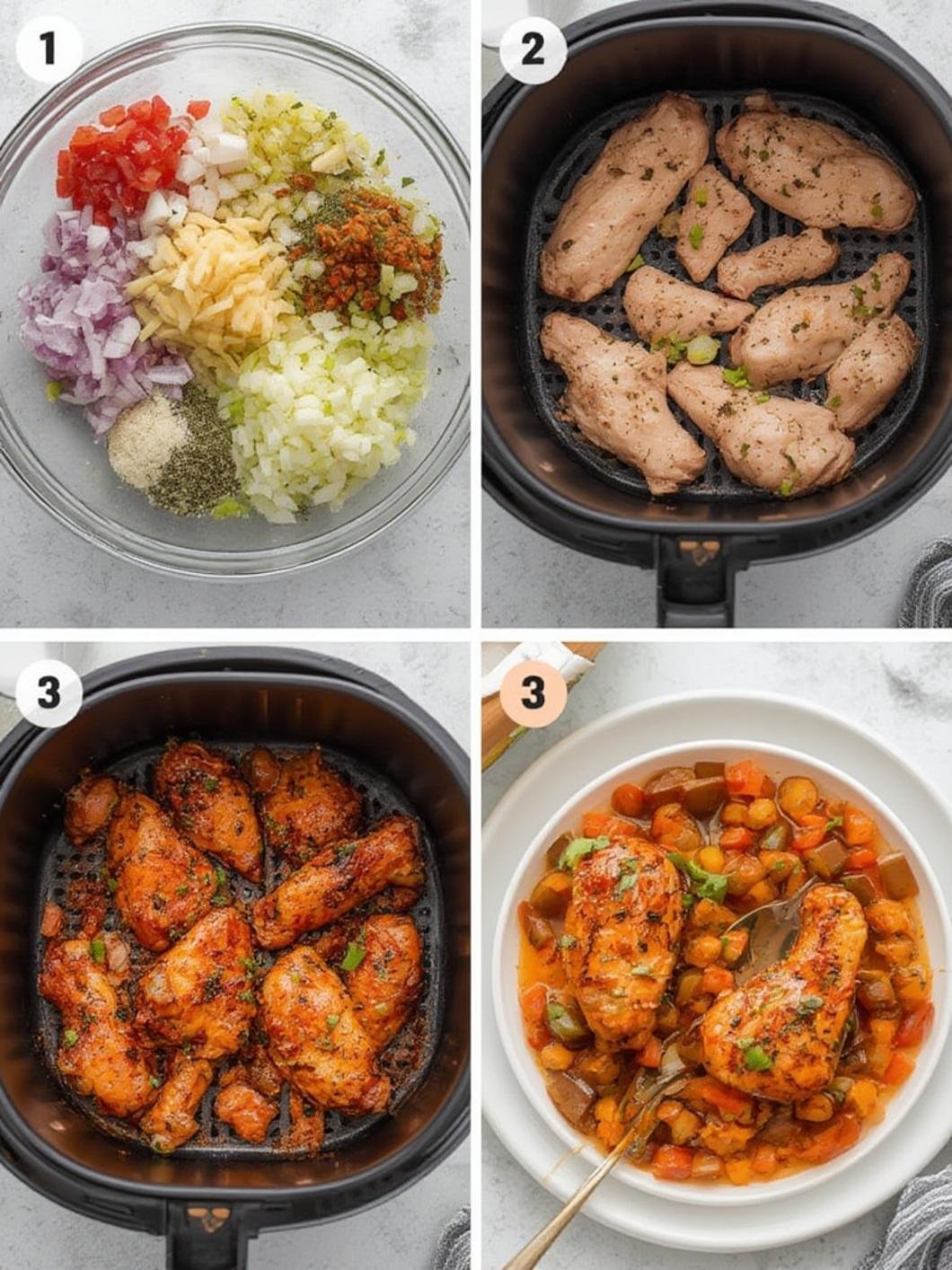
Step 1: Season Your Steak Properly
Remove your steaks from the refrigerator 30 to 45 minutes before cooking. Pat them completely dry with paper towels — this is not optional. Moisture is the enemy of a great sear. Season generously on all sides, including the edges, with kosher salt and freshly cracked black pepper. Press the seasoning into the surface so it adheres well. Set the steaks on a wire rack over a sheet pan and let them rest at room temperature. This step alone significantly improves your results.
Step 2: Preheat Your Cast Iron Skillet
Place your Cast Iron Skillet on the stovetop over high heat and let it preheat for 4 to 5 minutes. You want the pan to be extremely hot — almost smoking — before the steak touches it. A properly preheated skillet is responsible for that iconic dark, crackling crust that defines a great steakhouse-style sear. Add your high-smoke-point oil to the pan and let it shimmer and just barely begin to smoke before adding the steaks.
Step 3: Sear the First Side
Carefully place your steaks into the hot oiled skillet, laying them away from you to avoid oil splatter. Press down gently with a spatula or steak weight for the first 10 seconds to ensure full surface contact. Let the steak cook undisturbed for 2 to 3 minutes. Do not move it. Do not press repeatedly. Resist every urge. The crust is forming, and movement will break it. After 2 to 3 minutes, the steak should release naturally from the pan when it is ready to flip.
Step 4: Flip and Sear the Second Side
Flip the steak using tongs — never a fork, which pierces the meat and releases juices. Sear the second side for another 2 minutes. This is also the moment to sear the fat cap by holding the steak upright on its edge with the tongs for about 30 to 45 seconds per side. Rendering the edge fat adds incredible flavor to the finished dish and gives the steak that full, professional presentation.
Step 5: Butter Baste with Garlic and Herbs
Reduce the heat to medium. Add your unsalted butter, smashed garlic cloves, fresh rosemary, and thyme to the pan. As the butter melts and begins to foam, tilt the pan slightly and use a large spoon to continuously scoop the foaming butter over the top of the steak. Baste repeatedly for 60 to 90 seconds. The herbs and garlic infuse the butter with layers of savory, aromatic flavor that permeate the steak’s surface on every pass. This is one of the most important Cooking techniques in the entire process and makes an enormous difference in the final flavor.
Step 6: Check Internal Temperature
Use an instant-read thermometer to check doneness. For rare: 120–125°F. Medium-rare: 130–135°F (this is the gold standard for ribeye). Medium: 140–145°F. Medium-well: 150–155°F. For thick steaks, you may need to transfer the skillet to a 400°F oven for 3 to 5 minutes after basting to bring the internal temperature up. Always pull the steak 5°F below your target temperature because it will continue cooking as it rests.
Step 7: Rest Before Cutting
Transfer the steak to a cutting board and tent loosely with foil. Let it rest for at least 5 to 8 minutes. This resting period allows the muscle fibers to relax and the juices to redistribute throughout the meat. Cut into a steak immediately after cooking and you will lose most of those juices on the cutting board. Rest it properly and every bite stays moist, flavorful, and worth the wait. Finish with a pinch of flaky sea salt and serve immediately.
Nutrition & Health Benefits
| Nutrient | Per Serving (Approximate) |
|---|---|
| Calories | 520–620 kcal |
| Protein | 48–55g |
| Total Fat | 35–40g |
| Saturated Fat | 14–18g |
| Carbohydrates | 1–2g |
| Fiber | 0g |
| Sodium | 620–750mg |
| Iron | 15–20% of Daily Value |
| Zinc | 35–45% of Daily Value |
| Vitamin B12 | 100–120% of Daily Value |
Ribeye steak is a powerhouse of bioavailable protein, meaning your body absorbs and uses it efficiently to support muscle repair, immune function, and cellular health. It is naturally zero-carb and gluten-free, making it highly suitable for low-carb, ketogenic, and paleo dietary plans. The high zinc content supports immune health and testosterone production, while the extraordinary Vitamin B12 level supports neurological function and red blood cell production. The iron in red meat is heme iron, which is far more absorbable than the non-heme iron found in plants. Cooking in a cast iron skillet also adds small but meaningful amounts of dietary iron directly into the food, which can be beneficial for individuals with iron-deficiency concerns. When consumed as part of a balanced diet, this high-protein, nutrient-dense meal is a valuable addition to your weekly meal plan.
Tips, Variations & Serving Suggestions
Pro Tips for a Better Steak
-
- Always dry-brine your steak by seasoning it with salt and leaving it uncovered in the fridge overnight for even deeper flavor penetration.
- The thicker the steak, the better. Anything less than 1 inch cooks too fast to develop a proper crust without overcooking the interior.
- Use a 12-inch cast iron skillet so you have enough room without crowding. A crowded pan steams instead of sears.
- If your kitchen fills with smoke, that means your pan is hot enough — open a window and keep going.
Flavor Variations
-
- Chimichurri Steak: Skip the butter baste and serve with a vibrant Argentinian parsley and garlic sauce instead.
- Blue Cheese Crust: Top the finished steak with crumbled blue cheese and broil for 60 seconds.
- Spicy Cowboy Style: Add smoked paprika, cayenne, and cumin to the seasoning rub.
- Asian-Inspired: Marinate briefly in soy sauce, sesame oil, ginger, and garlic before searing.
Alternative Cooking Methods
-
- Reverse Sear: Cook the steak low and slow in a 250°F oven until it reaches 115°F internally, then sear in a screaming hot cast iron pan for the crust.
- Grill-to-Skillet: Sear on a hot grill for marks and char, then finish in the oven in the cast iron with the butter baste.
Serving Suggestions
-
- Creamy garlic mashed potatoes or roasted Parmesan potatoes
- Crispy roasted asparagus or broccolini with lemon zest
- Classic wedge salad with blue cheese dressing and bacon bits
- Crusty sourdough bread to soak up the pan juices
- A bold Cabernet Sauvignon or Malbec wine to complement the richness of the beef
- Non-alcoholic option: sparkling water with fresh lemon and rosemary
Common Mistakes to Avoid

❌ Mistake 1: Not Preheating the Pan Long Enough
This is the single most common mistake home cooks make. Placing a steak into a lukewarm pan does not create a crust — it steams the meat and gives you a gray, unappealing exterior. Always preheat your cast iron skillet on high heat for a minimum of 4 to 5 minutes before adding any oil or steak.
❌ Mistake 2: Skipping the Pat-Dry Step
Moisture on the surface of your steak turns into steam the moment it hits the hot pan, preventing the Maillard reaction that creates a crust. Always pat steaks completely dry with paper towels before seasoning and cooking.
❌ Mistake 3: Moving the Steak Around
Constantly moving, pressing, or flipping the steak interrupts the crust formation and leads to uneven browning. Place it, let it go, and trust the process. The steak will tell you when it is ready to flip by releasing cleanly from the pan.
❌ Mistake 4: Cutting Into the Steak Right Away
Cutting a steak immediately after cooking causes all the accumulated juices to pour out onto the cutting board. Always allow at least 5 to 8 minutes of resting time under a loose foil tent before slicing.
Mistake 5: Using Butter from the Start
Butter has a low smoke point and will burn immediately if added to a screaming hot pan for the initial sear. Always start with a high-smoke-point oil and add butter only during the basting phase when you have reduced the heat to medium.
Mistake 6: Using the Wrong Size Skillet
Cooking two thick steaks in a 10-inch skillet will overcrowd the pan and result in uneven cooking and poor crust formation. Use a 12-inch cast iron skillet or cook one steak at a time in a smaller pan.
Mistake 7: Guessing Doneness Without a Thermometer
The finger-touch method is notoriously unreliable for most home cooks. Invest in a reliable instant-read meat thermometer. It is inexpensive and completely removes the guesswork from getting that perfect medium-rare every single time.
Storage & Reheating Tips
Refrigerator Storage
Allow your cooked steak to cool completely before storing. Wrap tightly in plastic wrap or place in an airtight container. Store in the refrigerator for up to 3 to 4 days. For best results, store any leftover pan juices or herb butter separately in a small sealed container and drizzle over the steak when reheating.
Freezer Storage
Wrap the cooled steak tightly in plastic wrap and then place inside a resealable freezer bag, removing as much air as possible. Freeze for up to 3 months. Label with the date. Thaw overnight in the refrigerator before reheating.
Best Reheating Methods
-
- Oven Method (Recommended): Place the steak on a wire rack over a baking sheet. Heat in a 250°F oven for 20 to 25 minutes until the internal temperature reaches 110°F, then give it a quick 60-second sear in a hot cast iron skillet to re-crisp the exterior. This is by far the best way to reheat steak without drying it out.
- Stovetop Method: Heat a small amount of butter in a skillet over medium-low heat. Add the steak and cover with a lid, heating for 2 to 3 minutes per side. Check temperature with a thermometer.
- Microwave (Last Resort): Place the steak in a microwave-safe dish with a splash of beef broth, cover with a damp paper towel, and heat on 50% power in 30-second increments. This method can make the steak chewy, so use only when other options are not available.
Creative Leftover Ideas
-
- Slice thinly and add to a steak and egg breakfast scramble
- Chop and use in a steak burrito bowl with rice, black beans, and avocado
- Serve over a Caesar salad for a quick and satisfying lunch
- Slice and tuck into a toasted ciabatta sandwich with caramelized onions and horseradish cream
Conclusion
There is something deeply satisfying about mastering a classic. The cast iron skillet steak is not just a recipe — it is a skill you build once and use for a lifetime. With the right preparation, the right heat, and the confidence to let the pan do its work, you can produce a restaurant-caliber steak in your own kitchen any night of the week. The Cast Iron Skillet is your most powerful kitchen tool, and once you understand how to use it properly, it changes everything about how you cook meat. Pairing that knowledge with proven Cooking techniques like the butter baste, the dry-brine, and the reverse sear unlocks a whole new level of home cooking that is deeply rewarding, endlessly customizable, and unbelievably delicious. Try this recipe this weekend, share it with someone you love, and leave a comment below telling us how it turned out. Explore our related recipes for garlic herb butter compound, perfect mashed potatoes, and pan sauce fundamentals to build the complete steakhouse experience at home.
Recipe Card
| Cast Iron Skillet Steak – Complete Recipe Card | |
|---|---|
| Recipe Name | Cast Iron Skillet Ribeye Steak with Garlic Herb Butter |
| Cuisine | American / Steakhouse |
| Category | Main Course / Dinner |
| Prep Time | 10 minutes + 30–45 min resting |
| Cook Time | 8–12 minutes |
| Total Time | ~30 minutes active |
| Servings | 2 |
| Difficulty | Intermediate |
| Main Ingredients | Ribeye steaks, kosher salt, black pepper, avocado oil, unsalted butter, garlic, rosemary, thyme |
| Calories Per Serving | 520–620 kcal |
| Protein Per Serving | 48–55g |
| Dietary Info | Gluten-Free, Low-Carb, Keto-Friendly, High-Protein |
| Best Doneness Temp | 130–135°F (Medium-Rare) |
| Recommended Pan | 12-inch Lodge Cast Iron Skillet |
| Storage | Refrigerator: 3–4 days | Freezer: up to 3 months |
| Best Reheating Method | Low oven at 250°F then quick skillet sear |
FAQs
1. What is the best cut of steak for cast iron cooking?
Ribeye is widely considered the best cut for cast iron cooking because of its rich fat marbling, which renders beautifully in a hot pan and keeps the meat moist and flavorful throughout the searing process. New York strip is a close second, offering a firmer texture with great beefy flavor. Filet mignon works well for a leaner, more delicate option. Sirloin is the most budget-friendly choice and still delivers excellent results when seasoned well and cooked at high heat.
2. Do I need to use an oven, or can I cook the steak entirely on the stovetop?
For steaks that are 1 inch or thinner, you can absolutely cook entirely on the stovetop using the sear-and-baste method described in this recipe. For thicker cuts — 1.25 inches and above — transferring the skillet to a 400°F oven after basting helps bring the center to your target temperature without overcooking the exterior. The skillet goes directly from stovetop to oven since cast iron is oven-safe at virtually any temperature.
3. How do I prevent my cast iron skillet from smoking excessively?
Some smoke is completely normal and expected when cooking steak at high heat. To minimize excessive smoking, always use a high-smoke-point oil like avocado oil or refined coconut oil instead of olive oil or regular butter for the initial sear. Turn on your range hood ventilation or open a nearby window before preheating. Avoid coating the pan with too much oil — a thin, even layer is all you need.
4. How can I tell if my steak is done without a thermometer?
While an instant-read thermometer is the most reliable and recommended method, the time-based approach is a useful backup. For a 1-inch ribeye at medium-rare, sear 2.5 minutes per side plus 60 to 90 seconds of basting. The touch method — comparing the steak’s firmness to the fleshy base of your thumb at different levels of hand tension — is used by experienced cooks but is not reliable for beginners. Investing in a quality thermometer is strongly recommended.
5. Can I make this recipe dairy-free?
Yes. Simply omit the butter and replace it with a high-quality dairy-free butter alternative such as Miyoko’s or Earth Balance during the basting phase. The garlic and herbs will still infuse the fat with their flavor, and you will still get a beautifully basted steak. You can also use a mixture of extra olive oil and ghee as a compromise if dairy tolerance allows, since ghee has significantly reduced lactose content.
6. Can I marinate the steak before cooking?
You can, but it is not necessary for ribeye or other well-marbled cuts that already have abundant natural flavor. If you do marinate, keep it brief — 30 minutes to 2 hours maximum — and always pat the steak completely dry before searing. Wet marinades left on the steak create steam in the pan and prevent proper crust formation. For tougher, leaner cuts like flank steak or skirt steak, a longer acidic marinade of 4 to 8 hours helps tenderize the meat significantly.
7. How do I clean my cast iron skillet after cooking steak?
Allow the skillet to cool slightly but not completely before cleaning. While still warm, use a stiff brush or chain mail scrubber with hot water to remove any residue. Avoid soap when possible as it can strip the seasoning, though a tiny amount of mild dish soap occasionally is acceptable. Dry the skillet completely on the stovetop over low heat for 2 to 3 minutes, then apply a very thin layer of oil with a paper towel and store in a dry place. Proper care after every use preserves the non-stick seasoning and extends the life of your pan indefinitely.