
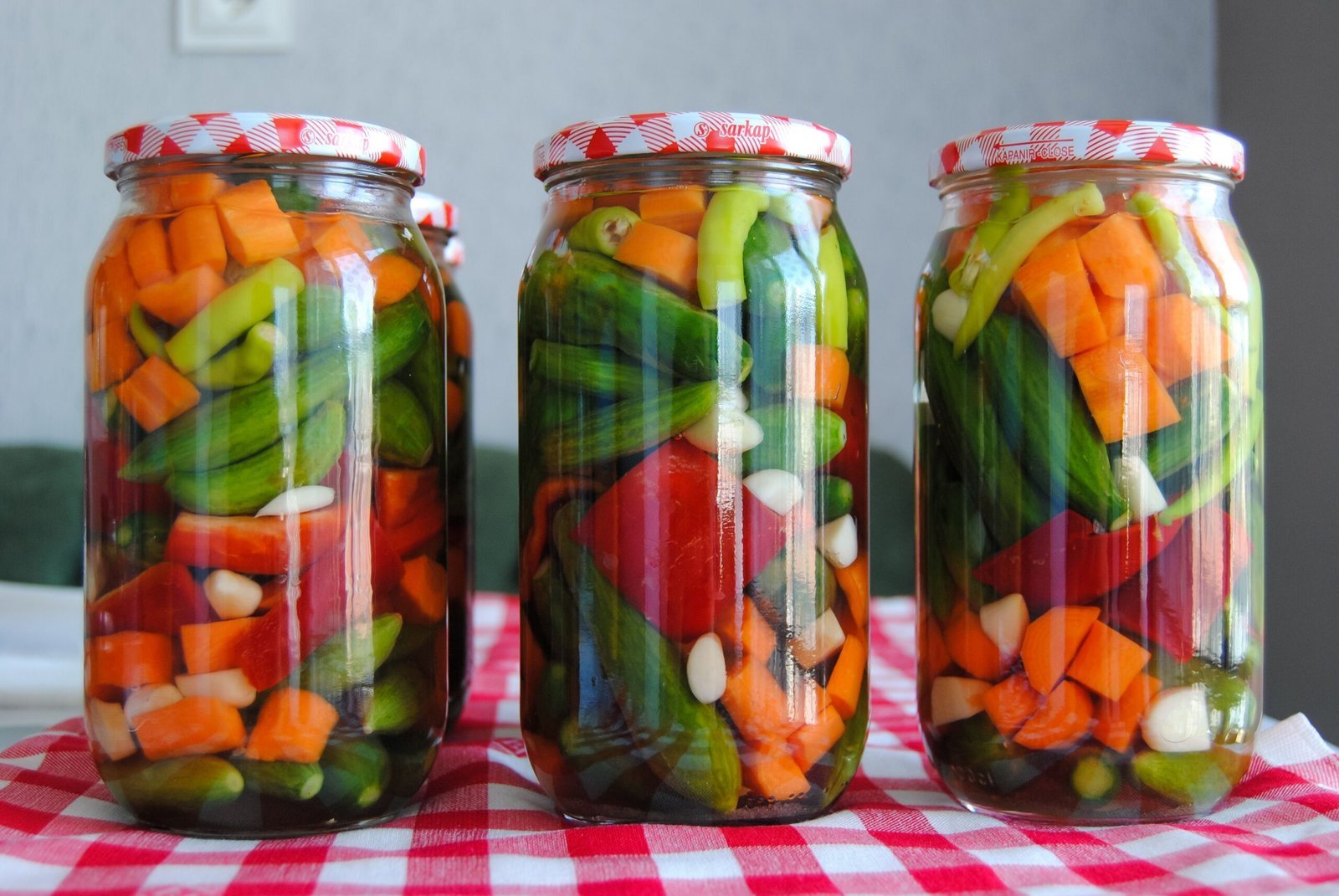
There’s nothing quite like the satisfying crunch of a perfectly Bread and Butter Pickle Recipe, tangy, garlicky, and brimming with fresh dill flavor. Whether you’re piling them onto a burger, enjoying them alongside a sandwich, or snacking straight from the jar, homemade dill pickles are a timeless favorite. And once you make them at home, you’ll never go back to store‑bought.
I grew up with a jar of dill pickles always in the fridge – my grandmother made them every summer when cucumbers were at their peak. The smell of fresh dill, garlic, and vinegar would fill the kitchen as she packed jars with crisp cucumbers and her signature brine. I’ve carried on that tradition, perfecting her recipe to create pickles that are tangy, garlicky, and delightfully crunchy.
This recipe is surprisingly simple – just a few basic ingredients and a little patience. You can make a small batch for the fridge or a larger batch for canning. The cucumbers soak up the garlicky, dilly brine, transforming into crisp, flavorful pickles that are perfect for burgers, sandwiches, charcuterie boards, or snacking straight from the jar.
What Are Dill Pickles?
Dill pickles are cucumbers pickled in a brine flavored with fresh dill, garlic, and a blend of pickling spices. Unlike bread and butter pickles, which are sweet and tangy, dill pickles are savory, sour, and garlicky. They’re a classic American condiment, beloved for their satisfying crunch and vibrant, tangy flavor.
Why They’re a Classic Favorite

Dill pickles are loved for their crisp texture, tangy flavor, and versatility. They’re a staple on burgers, sandwiches, and hot dogs, and they’re equally delicious on their own as a low‑calorie snack. Homemade dill pickles are far more flavorful than store‑bought versions, with a crispness that can’t be matched.
Flavor & Texture Profile
- Flavor: Tangy, garlicky, and savory with a fresh, aromatic dill finish. The brine is perfectly balanced between sour and salty.
- Texture: Crisp, crunchy, and satisfying – the cucumbers retain their snap even after pickling.
- Aroma: Fresh and aromatic – the scent of dill, garlic, and pickling spices fills the kitchen.
Why You’ll Love This Recipe
- Better Than Store‑Bought: Fresh, crisp, and packed with real flavor – no artificial preservatives or colors.
- Simple Ingredients: Just cucumbers, dill, garlic, vinegar, and spices – nothing fancy.
- Two Ways to Make: Refrigerator pickles for quick enjoyment, or water‑bath canning for long‑term storage.
- Perfectly Balanced: Tangy, garlicky, and dilly – the classic dill pickle flavor you know and love.
- Versatile: Perfect for burgers, sandwiches, cheese boards, salads, or snacking straight from the jar.
- Budget‑Friendly: Making your own pickles is far more cost‑effective than buying gourmet jars.
- Great for Gifting: Homemade pickles in beautiful jars make wonderful homemade gifts.
Ingredients

For the Pickles
- Pickling cucumbers – 2½ pounds (Kirby or Persian cucumbers, about 8‑10 small to medium)
- Fresh dill – 1 large bunch (or 1½ tablespoons dill seeds)
- Garlic cloves – 6‑8 (peeled and lightly smashed)
- Pickling salt or kosher salt – ¼ cup (for brine)
For the Brine
- White vinegar (5% acidity) – 2 cups
- Water – 2 cups
- Pickling salt or kosher salt – 2 tablespoons
- Dill seeds – 1 tablespoon (optional, for extra dill flavor)
- Black peppercorns – 1 teaspoon
- Mustard seeds – 1 teaspoon
- Corriander seeds – 1 teaspoon (optional)
- Red pepper flakes – ½ teaspoon (optional, for heat)
- Bay leaf – 1 (optional, for depth)
Premium Ingredient Options
- Cucumbers: Use pickling varieties like Kirby or Persian cucumbers – they hold their shape and crunch better than regular slicing cucumbers.
- Salt: Pickling salt is best because it has no anti‑caking agents that could cloud the brine.
- Dill: Fresh dill is ideal for the best flavor – use both the fronds and the stems.
- Vinegar: Use 5% acidity vinegar for safe preservation.
Budget Alternatives
- Use regular cucumbers if pickling cucumbers aren’t available – slice them thin and remove any large seeds.
- Use kosher salt instead of pickling salt.
- Use dried dill if fresh isn’t available – use 1½ tablespoons of dill seeds or dried dill weed.
Common Ingredient Mistakes
- Using table salt: Table salt often contains iodine and anti‑caking agents that can make the brine cloudy.
- Using waxy cucumbers: Grocery store cucumbers are often waxed – wash them thoroughly and scrub to remove the wax.
- Not trimming the blossom end: The blossom end contains an enzyme that can cause softening – trim ⅛ inch from the ends.
Ingredient Substitutions
- No pickling salt: Use kosher salt – it’s similar and doesn’t contain iodine.
- No fresh dill: Use 1½ tablespoons of dill seeds or dried dill weed.
- No mustard seeds: Omit or use ½ teaspoon of dry mustard.
- No coriander seeds: Omit or add a pinch of cumin seeds.
- No red pepper flakes: Omit for a milder pickle.
Equipment
Essential Tools
- Large non‑reactive bowl (glass, ceramic, or stainless steel)
- Large Dutch oven or stockpot (for the brine)
- Chef’s knife and cutting board
- Measuring cups and spoons
- Clean glass jars with lids (pint or quart size)
- Canning pot with rack (if water‑bath canning)
Optional Tools
- Jar lifter and canning funnel
- Mandoline slicer (for even, uniform slices)
- Small spice bag or cheesecloth (for loose spices)
Step‑by‑Step Instructions
- Prep the Cucumbers
Wash the cucumbers thoroughly, scrubbing away any dirt. Trim ⅛ inch from the blossom end (the end opposite the stem) – this contains an enzyme that can cause softening. Slice the cucumbers into spears, chips, or leave them whole (if using small cucumbers).
Visual cue: The cucumbers should be fresh, firm, and free of soft spots.
Pro tip: For the crunchiest pickles, use cucumbers that were picked within 24 hours. - Prep the Jars
In each clean jar, place a generous amount of fresh dill, 3‑4 smashed garlic cloves, and a pinch of the pickling spices (peppercorns, mustard seeds, coriander seeds, and red pepper flakes if using).
Pro tip: Toasting the spices in a dry pan for 1‑2 minutes before adding them to the jars intensifies their flavor. - Pack the Cucumbers
Pack the cucumbers tightly into the jars, leaving about ½ inch of headspace at the top. The cucumbers should be snug but not crushed. If using whole cucumbers, they should be packed vertically.
Visual cue: The jars should be filled with cucumbers up to the neck, leaving room for the brine. - Make the Pickling Brine
In a large Dutch oven or stockpot, combine the white vinegar, water, and pickling salt. Bring the mixture to a boil over medium heat, stirring occasionally, until the salt is fully dissolved – about 5‑7 minutes.
Aroma cue: The sharp, clean scent of vinegar and salt will fill your kitchen. - Pour the Brine
Pour the hot brine over the packed cucumbers, completely covering them and leaving ½ inch of headspace at the top. Use a butter knife or chopstick to gently remove any air bubbles by running it along the inside of the jar.
Visual cue: The brine should completely cover the cucumbers – if any are sticking up, push them down. - Seal the Jars
Wipe the jar rims clean with a damp paper towel. Place the lids on the jars and screw on the bands until they’re fingertip‑tight – don’t over‑tighten. - Process (for Long‑Term Storage) or Refrigerate
For refrigerator pickles: Let the jars cool to room temperature, then refrigerate. The pickles will be ready to enjoy in 24‑48 hours and will keep in the refrigerator for up to 1 month.
For water‑bath canning: Place the filled jars in a canning pot with simmering water, ensuring the jars are completely covered. Process for 15 minutes (adjusting for altitude). Remove the jars and let them cool completely. Check the seals before storing – unopened jars will keep for up to a year in a cool, dark place. - Chill and Enjoy
For the best flavor, let the pickles sit for at least 24 hours before serving – this allows the flavors to fully develop. The longer they sit, the more the flavors will meld. Chill before serving.
Visual cue: The pickles should be a vibrant green color with a crisp, firm texture.
Expert Chef Tips
For the Perfect Pickles
- Use Fresh, Firm Cucumbers: The fresher the cucumbers, the crispier your pickles will be. Look for firm, unwrinkled cucumbers with no soft spots.
- Trim the Blossom End: The blossom end contains an enzyme that can cause softening – trim ⅛ inch from the ends.
- Use Pickling Salt: Pickling salt has no anti‑caking agents, which can make the brine cloudy.
- Add Grape Leaves or Oak Leaves: Adding a grape leaf or oak leaf to each jar helps keep pickles crisp – the tannins in the leaves prevent softening.
- Chill Thoroughly: For the best flavor and crunch, let the pickles sit in the refrigerator for at least 24 hours before serving.
Flavor Balancing
- Tanginess: The vinegar provides the tangy backbone – use 5% acidity vinegar for safe preservation.
- Saltiness: The salt balances the vinegar and enhances the flavor – don’t skip it.
- Garlic: Fresh garlic adds a pungent, savory depth that’s essential to dill pickles.
- Dill: Fresh dill provides the signature flavor – use both the fronds and the stems for the best results.
- Spices: Mustard seeds, peppercorns, and coriander seeds add warmth and complexity.
Texture Improvement Tips
- Use Whole or Spear Cut: Whole or spear‑cut pickles stay crunchier than sliced pickles – the skin helps maintain their structure.
- Add Tannins: Grape leaves, oak leaves, or a tea bag added to the jar release tannins that help keep pickles crisp.
- Keep Everything Cold: Use cold brine and refrigerate immediately for the crispiest result.
Cooking Science
Salt draws out moisture from the cucumbers through osmosis, creating a crisp texture. The acidity of the vinegar (which lowers the pH) creates an environment that preserves the pickles and prevents spoilage. The combination of garlic, dill, and spices infuses the brine with flavor, and over time, the cucumbers absorb these flavors, resulting in the classic dill pickle taste. Tannins from grape leaves or oak leaves help maintain crispness by inhibiting the enzymes that cause softening.
Troubleshooting
- Pickles are soft or mushy – You may have used cucumbers that weren’t fresh, skipped trimming the blossom end, or used too‑soft water. Use fresh, firm cucumbers, trim the ends, and use filtered water if your tap water is high in minerals.
- Pickles are too salty – Reduce the salt in the brine by 1 tablespoon next time.
- Pickles are too tangy – Use a slightly milder vinegar or reduce the vinegar ratio slightly.
- Brine is cloudy – This can happen if you used table salt with anti‑caking agents. Use pickling salt or kosher salt next time.
- Jars didn’t seal – Check the jar rims for nicks, ensure the lids are new, and don’t over‑tighten the bands. If a jar doesn’t seal, refrigerate it and use it within a month.
- Pickles have white sediment at the bottom – This is normal – it’s often a harmless deposit from the pickling process.
Recipe Variations
Classic Dill Pickles
Follow the recipe as written – it’s the perfect savory, garlicky, dill‑forward pickle.
Spicy Dill Pickles
Add ½‑1 teaspoon of crushed red pepper flakes or a few sliced jalapeños to each jar for a spicy kick.
Garlic Dill Pickles
Double the garlic – add 6‑8 cloves per jar for extra garlicky flavor.
Kosher Dill Pickles
Use extra garlic and add 1 tablespoon of dill seeds per jar for a classic deli‑style pickle.
Bread and Butter Dill Pickles
Add ½ cup of sugar to the brine and use a 1:1 ratio of white vinegar to water for a sweeter, bread and butter‑style dill.
Lemon Dill Pickles
Add a few thin lemon slices to each jar for a bright, citrusy twist.
Serving Suggestions
Classic Pairings
Burgers, sandwiches, hot dogs, and deli platters. Dill pickles are a classic addition to any sandwich or burger.
Cheese Boards
Pair with sharp cheddar, aged gouda, or creamy brie – the tangy pickles cut through the richness of cheese.
Salads and Relishes
Chop them up for potato salad, tuna salad, or chicken salad. They add a pop of tang and crunch.
Snacking
Enjoy them straight from the jar – they’re a delicious, low‑calorie snack.
Presentation Ideas
Serve in a small bowl on a relish tray or charcuterie board. For gifting, pack in decorative jars with a fabric topper and a handwritten label.
Storage & Shelf Life
Refrigerator Pickles
Store in the refrigerator for up to 1 month. The pickles will continue to develop flavor over time – they’re best after 24‑48 hours.
Canned Pickles (Water‑Bath)
Store unopened jars in a cool, dark place for up to 1 year. Once opened, refrigerate and use within 1 month.
Freezing
Pickles don’t freeze well – the texture becomes soft and watery. For long‑term storage, water‑bath canning is the best method.
FAQ
What is the difference between dill pickles and bread and butter pickles?
Dill pickles are savory, sour, and garlicky with a dill flavor. Bread and butter pickles are sweet and tangy with warm spices like turmeric and cloves. Dill pickles contain no sugar, while bread and butter pickles contain a significant amount.
What kind of cucumbers should I use for dill pickles?
Pickling varieties like Kirby or Persian cucumbers are best – they hold their shape and crunch better than regular slicing cucumbers. If you use regular cucumbers, choose small, firm ones and remove any large seeds.
Why do you trim the blossom end of the cucumber?
The blossom end contains an enzyme that can cause softening – trimming ⅛ inch from the ends helps keep pickles crisp.
Can I use regular salt instead of pickling salt?
Yes – kosher salt is a good substitute. Avoid table salt, which often contains iodine and anti‑caking agents that can make the brine cloudy.
How long do dill pickles need to sit before eating?
For the best flavor, let the pickles sit for at least 24 hours before serving. This allows the flavors to fully develop. They’ll continue to improve over the next few days.
Can I make these pickles without canning?
Yes – these make excellent refrigerator pickles. Just pack them in clean jars, pour the hot brine over, and refrigerate. They’ll keep for up to 1 month.
Why are my pickles soft?
Soft pickles usually happen when the cucumbers weren’t fresh, the blossom end wasn’t trimmed, or they were overcooked. Use fresh, firm cucumbers and don’t boil them for too long.
Can I reuse the brine?
It’s not recommended to reuse the brine for another batch of pickles – the acidity and flavor levels will be depleted, and the brine may not preserve safely.
How do I know if my canned pickles have sealed properly?
After processing and cooling, press the center of each lid. If it doesn’t pop up and down, it’s sealed. Unsealed jars should be refrigerated and used within a month.
What is the best vinegar for dill pickles?
White vinegar (5% acidity) is the most common choice – it provides a clean, sharp tang. Apple cider vinegar can be used for a milder, slightly fruitier flavor.
Can I add other vegetables to these pickles?
Yes – sliced onions, carrots, or even cauliflower can be added for extra flavor and crunch.
How do I get my pickles to be more garlicky?
Add an extra 2‑3 cloves of garlic per jar, or use roasted garlic for a milder, sweeter garlic flavor.
Nutrition (estimated per serving – ¼ cup)
- Calories: 5‑10
- Protein: 0g
- Carbohydrates: 1‑2g
- Fat: 0g
- Fiber: 0‑1g
- Sugar: 0‑1g
- Sodium: 300‑500mg
Note: Nutrition values are estimates and may vary based on specific ingredients, portion sizes, and cooking methods.
Recipe Card
| Dill Pickle Recipe – Classic Homemade Crunchy Pickles | |
| Cuisine | American |
| Course | Condiment / Side |
| Prep Time | 15 minutes |
| Cook Time | 10 minutes |
| Total Time | 25 minutes (plus chilling) |
| Servings | Makes 3‑5 pints |
| Calories | 5‑10 per ¼ cup |
Ingredients
- 2½ pounds pickling cucumbers (Kirby or Persian), whole or cut into spears
- 1 large bunch fresh dill (or 1½ tablespoons dill seeds)
- 6‑8 garlic cloves (peeled and smashed)
- 2 cups white vinegar (5% acidity)
- 2 cups water
- 2 tablespoons pickling salt or kosher salt
- 1 tablespoon dill seeds (optional)
- 1 teaspoon black peppercorns
- 1 teaspoon mustard seeds
- 1 teaspoon coriander seeds (optional)
- ½ teaspoon red pepper flakes (optional)
- 1 bay leaf (optional)
Instructions
- Wash cucumbers, trim ⅛ inch from the blossom end, and cut as desired (whole, spears, or chips).
- In each clean jar, place dill, garlic, peppercorns, mustard seeds, coriander seeds, and red pepper flakes (if using).
- Pack cucumbers tightly into jars, leaving ½ inch headspace.
- In a pot, combine vinegar, water, and salt. Bring to a boil, stirring until salt dissolves.
- Pour hot brine over cucumbers, covering completely and leaving ½ inch headspace.
- Remove air bubbles with a butter knife.
- Wipe rims, place lids, and screw on bands fingertip‑tight.
- For refrigerator pickles: Cool to room temperature, then refrigerate. Ready in 24‑48 hours. Keeps for 1 month.
- For canning: Process in a boiling water bath for 15 minutes (adjust for altitude). Cool, check seals, and store.
Notes
- Use fresh, firm pickling cucumbers for the best crunch.
- Always trim the blossom end – it helps keep pickles crisp.
- For extra crunch, add a grape leaf or oak leaf to each jar.
- Let pickles sit for at least 24 hours before serving for the best flavor.
- Store refrigerator pickles in the fridge for up to 1 month.
Nutrition (per ¼ cup)
Calories: 5‑10 | Protein: 0g | Carbs: 1‑2g | Fat: 0g | Fiber: 0‑1g | Sugar: 0‑1g | Sodium: 300‑500mg